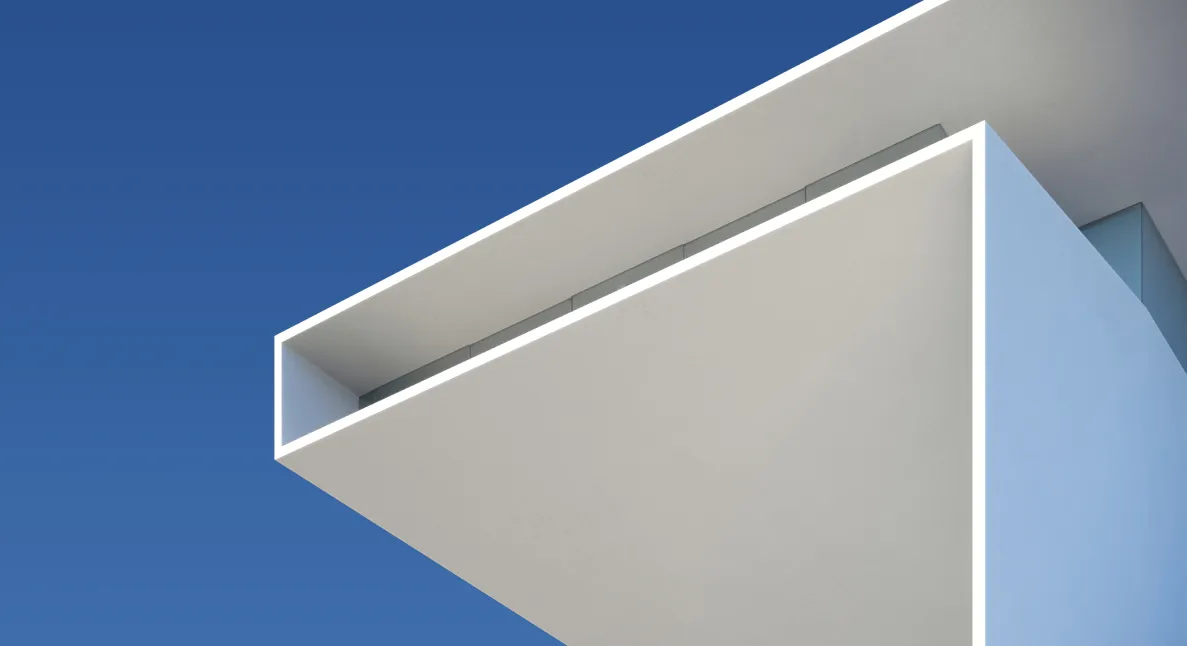
Architectural Photorealistic Rendering: Elevating Visual Realism
The XXI century saw the impulse for architectural communication to evolve beyond technical drawings into immersive visual storytelling. Today, architecture is no longer just designed—it is experienced before it is built. In this intricate game of jockeying for further power between innovation, presentation, and persuasion, photorealistic rendering has seized the lead.
The balance of visual communication in architecture has shifted toward real-time rendering, cinematic storytelling, and hyper-detailed imagery that speaks to a sizable audience—from developers and investors to end users.
This article explores how photorealistic architectural rendering is redefining the industry—and how Omegarender stands at the forefront of this transformation.
What Is Photorealistic Architectural Rendering
Photo realistic architectural rendering is the process of creating digital images of buildings and spaces with a level of detail indistinguishable from real photography.
It simulates:
- Real-world lighting behavior
- Material textures and reflections
- Environmental context and atmosphere
The goal is simple yet powerful: to show a project as it would form in reality—before construction even begins.
Unlike traditional visualization, photorealistic rendering eliminates ambiguity. Every shadow, reflection, and texture is calculated using physically accurate rendering engines, allowing stakeholders to fully understand a project’s design intent.
A modern realistic architecture render is no longer just a visual aid—it is a strategic communication tool that helps projects look like finished environments long before construction begins. Through advanced photorealistic rendering architecture, designers can simulate how materials, lighting, and space interact in the real world, ensuring that every design decision contributes to a cohesive and convincing final result.
.webp)
Types of Photorealistic Architectural Visualisation
Photorealistic architectural visualization is a diverse ecosystem of visual tools, each designed to communicate specific aspects of a project. Choosing the right type depends on the stage of the project, the target audience, and the intended emotional impact.
Across all formats, the goal remains consistent: to deliver 3D photo realistic architectural visualization that captures both technical precision and emotional depth. Whether showcasing large-scale developments or private homes, these visuals bridge the gap between concept and perception, helping stakeholders fully grasp the architectural intent.
Exterior Rendering
Exterior rendering is one of the most in-demand formats in architectural visualization. It showcases the building’s facade, materials, lighting, and its relationship with the surrounding environment.
These renders often include:
- Urban context (neighboring buildings, streets)
- Landscaping (trees, parks, terrain)
- Atmospheric conditions (sunset, fog, rain)
A well-executed exterior visualization tells a story about how it exists within a living environment. For developers and real estate marketers, this is essential when appealing to a sizable audience of investors and buyers.
Read also 3D exterior rendering services.
Interior Rendering
Interior visualization focuses on spatial experience. It answers questions like:
- How does the space feel?
- How does light interact with materials?
- Is the layout functional and aesthetically pleasing?
Interior renders are especially critical in residential projects and hospitality interior design, where emotional connection drives decision-making.
They often highlight:
- Furniture and décor
- Lighting design (natural and artificial)
- Material combinations (wood, marble, textiles)
In high-end projects, interior renders must achieve near-perfect realism to reflect luxury and craftsmanship.
In particular, interior-focused visuals such as a photo realistic architectural visualization play a crucial role in defining atmosphere. From a cozy living room to complex commercial interior design environments, these renders allow designers to refine spatial composition, lighting, and materials, ensuring the final space aligns with both functional and aesthetic expectations.
Read also 3D interior rendering services.
Aerial / Bird’s-Eye View Rendering
Aerial rendering provides a macro-level perspective of architectural projects. It is particularly useful for:
- Masterplans
- Urban developments
- Large residential or commercial complexes (read also 3D house rendering services)
This type of visualization helps stakeholders understand scale, density, and spatial relationships. It shows how a project integrates into its broader environment—something ground-level renders cannot fully communicate. Read also 3D site plan rendering services.
Architectural Animation & Walkthroughs
Static images are powerful, but motion adds another layer of immersion.
Architectural animations simulate movement through space, allowing viewers to:
- Walk through interiors
- Explore exterior environments
- Experience transitions between spaces
These are widely used in:
- Investor presentations
- Marketing campaigns
- Digital real estate platforms
Animations combine cinematography, storytelling, and architecture—turning a design into a narrative experience.
VR and 360° Interactive Experiences
The balance of visual communication in architecture has shifted toward real-time rendering, and VR is a key driver of this transformation.
With VR and 360° panoramas:
- Clients can “walk” inside unbuilt spaces
- Designers can test spatial decisions interactively
- Developers can present projects globally without physical presence
This technology removes barriers between imagination and perception, making architecture fully experiential before construction begins.
Conceptual and Stylized Rendering
Not all rendering aims for full photorealism. In early design stages, conceptual renders are used to communicate ideas quickly.
These may include:
- Sketch-style visuals
- Minimalistic shading
- Artistic interpretations
They are faster to produce and useful for internal discussions, but they gradually evolve into photorealistic outputs as the project develops.
Real-Time Rendering
One of the most important innovations in recent years is real-time rendering.
Unlike traditional rendering, which can take hours per frame, real-time engines allow:
- Instant scene adjustments
- Live walkthroughs
- Immediate lighting and material updates
This is where the XXI century saw the impulse toward faster, more interactive workflows—reshaping how architects, designers, and clients collaborate.
Benefits of Photorealistic Architectural Rendering
Photorealistic rendering is not just a visualization tool—it is a strategic asset that impacts decision-making, marketing, and project success.
One of the key advantages of photo realistic architectural renderings is their ability to communicate design intent across disciplines. Architects, developers, and marketers can all rely on the same visual language, reducing friction and enabling faster alignment. High-end architectural renders also strengthen branding by presenting projects with a consistent and compelling visual identity.
Enhanced Visual Communication
Traditional architectural drawings require interpretation. Photorealistic renders eliminate that barrier by presenting designs exactly as they would form in reality.This clarity ensures that:
- Architects and clients are aligned
- Misinterpretations are minimized
- Design intent is fully understood
Increased Sales and Marketing Effectiveness
In real estate and development, first impressions are everything. Read also 3D real estate renderings service.
High-quality renders:
- Capture attention instantly
- Create emotional engagement
- Increase conversion rates
They allow developers to market properties before construction begins, giving them a competitive advantage in an intricate game of jockeying for further power within saturated markets.
Faster Project Approvals
When stakeholders clearly understand a project, decision-making accelerates.
Photorealistic visualization:
- Reduces back-and-forth communication
- Speeds up approvals
- Improves collaboration between teams
This efficiency is especially valuable in large-scale developments where delays can be costly.
Cost Reduction and Risk Mitigation
One of the biggest advantages is the ability to detect issues early.
With photorealistic rendering:
- Design flaws can be identified before construction
- Materials and layouts can be tested virtually
- Expensive changes during construction are avoided
Emotional Engagement and Storytelling
Architecture is not just functional—it is emotional.
Photorealistic rendering allows designers to:
- Evoke mood through lighting and atmosphere
- Tell stories through composition
- Connect with audiences on a deeper level
This emotional layer is what transforms a render into a persuasive tool.
Competitive Differentiation
In today’s market, basic visualization is no longer enough.
Companies that invest in high-end rendering:
- Stand out visually
- Build stronger brand perception
- Position themselves as industry leaders
This is where studios like Omegarender have seized the lead by combining artistic direction with technical precision.
Flexibility and Iteration
Unlike physical construction, digital environments are flexible.
Designers can:
- Experiment with materials
- Test different lighting scenarios
- Iterate quickly based on feedback
This adaptability leads to better outcomes and more refined designs. As competition intensifies, companies offering photorealistic architectural CGI gain a measurable advantage by delivering visuals that closely replicate the real world. This level of realism allows potential buyers and investors to emotionally connect with a project, making it easier to evaluate how the final design will look and integrate into its environment.
Bring your architecture to life with photorealistic precision.
.webp)
.webp)
7 Tips to Create Photorealistic Architectural Rendering
Start with a Story
Every render should answer:
- Who is this for?
- What emotion should it evoke?
Storytelling transforms a render from a technical image into a persuasive tool.
Focus on Lighting
Lighting defines realism. Use:
- Golden hour lighting for warmth
- HDRI environments for accuracy
- Volumetric light for atmosphere
Use High-Quality Materials
Physically based rendering (PBR) materials ensure surfaces behave like real-world objects. Achieving a convincing photoreal architecture render requires a deep understanding of how materials behave under different lighting conditions. Subtle variations in texture, reflection, and color contribute to the perception of authenticity, particularly in residential interior rendering, where users expect spaces to feel both realistic and livable.
Add Life to the Scene
Include:
- People
- Vehicles
- Subtle imperfections
These details enhance immersion and relatability. Read also virtual staging services.
Avoid Generic Templates
Each project should reflect its unique identity. Customization is key to standing out. Read also commercial architectural 3D rendering services.
Iterate and Refine
Photorealistic rendering is an iterative process:
- Start with clay models
- Add textures and lighting
- Refine through feedback cycles
Leverage Advanced Technologies
Use:
- Real-time rendering engines
- AI-assisted tools
- VR integration
These technologies increase both speed and realism.
At a technical level, even underlying elements such as svg data color mapping and texture calibration influence the final output. These details ensure that every surface responds accurately to light, reinforcing the overall realism and consistency of the scene.
Partner with experts who understand both architecture and storytelling.
If your project demands clarity, emotion, and precision, photorealistic rendering is not optional; it’s essential.
.webp)
How Long Does It Take to Render Architecture Visualization?
Project timelines vary depending on complexity:
- Simple interior render: a few days to 2 weeks
- Standard exterior render: 1–2 weeks
- Smart cities and connected infrastructureComplex developments: 3–6 weeks or more
Rendering a single high-quality image may take hours—or even a full day—depending on lighting and detail.
How Much Does It Cost?
Costs depend on:
- Complexity
- Level of detail
- Studio expertise
Typical pricing:
- Exterior render: $900–$3200
- Interior render: $1400–$2600
- Average high-end render: ~$1500
Animation and advanced experiences can significantly increase the budget.
When evaluating 3D rendering services, it is important to consider not only pricing but also expertise in handling diverse architectural style requirements. From minimalist modern spaces to highly detailed classical designs, the ability to adapt visual techniques plays a critical role in delivering high-quality results.
Projects Omegarender Has Worked on Photorealistic Architectural Renderings
Omegarender has delivered world-class visualizations across multiple industries:
- Luxury Villas (Landry Design Group)
- Hospitality Projects (AvroKO, Four Seasons, Conrad Athens)
- Urban Developments (Philadelphia residential complexes)
- Commercial and retail environments
- 3D Visualization for Industrial Facilities
One standout project involved creating a rain-soaked nighttime city scene, requiring advanced reflection and lighting techniques to simulate wet surfaces and neon glow.
These projects demonstrate Omegarender’s ability to handle:
- Complex materials
- Dynamic weather conditions
- Large-scale architectural environments
Ready to elevate your project? Let’s build it visually first.
.webp)
Why Choose Omegarender?
Omegarender combines technical precision with artistic storytelling.
Some key advantages include:
- High-End Photorealism
Accurate materials, lighting, and geometry ensure lifelike results.
- Advanced Technology Stack
Tools like 3ds Max, V-Ray, and real-time engines deliver cutting-edge visuals.
- Client-Centric Workflow
Continuous feedback loops ensure alignment at every stage.
- Global Experience
Trusted by brands like Apple, IKEA, and leading architectural firms.
- Fast Turnaround
Optimized pipelines deliver projects on time without compromising quality.
In a competitive landscape, Omegarender doesn’t just follow trends—it helps define them.
Conclusion
Photorealistic architectural rendering has transformed the way architecture is communicated, sold, and experienced. It allows ideas to move beyond abstract concepts into tangible, emotional experiences.
As the industry evolves, those who embrace advanced visualization will continue to lead—while others struggle to keep up.
In this shift, Omegarender has seized the lead, combining innovation, storytelling, and precision to deliver visuals that not only represent architecture—but elevate it.
Architectural visualization is about selling a vision.
If you want your project to stand out, resonate with a sizable audience, and communicate with absolute clarity — partner with Omegarender and bring your ideas to life with unmatched realism.
FAQ
How do you ensure the accuracy of materials and lighting in your photorealistic renders?
Omegarender uses physically based rendering (PBR) materials and advanced lighting systems like HDRI and ray tracing. These simulate real-world light behavior, ensuring accuracy and realism.
What advanced rendering techniques do you use to simulate natural environments around buildings?
Techniques include:
- HDRI sky systems
- Procedural vegetation tools
- Volumetric lighting and atmospheric effects
These create lifelike surroundings and environmental depth.
Can you detail your workflow process from the initial sketch to the final render?
The workflow includes:
1. Briefing and data collection
2. 3D modeling (clay stage)
3. Texturing and lighting
4. Iterative feedback
5.Final rendering and post-production
What has been your most challenging project in terms of rendering, and how did you address it?
Projects involving dynamic weather (e.g., rain, reflections) are particularly complex. Omegarender solves this through precise material calibration and advanced lighting simulations.
How do you manage client feedback and revisions during rendering?
Through structured iteration cycles:
- Early-stage approvals
- Mid-stage refinements
- Final adjustments
This ensures alignment and minimizes rework.
What are the latest innovations in rendering technology that you have adopted?
Omegarender integrates:
- AI-assisted rendering tools
- Real-time engines (Unreal Engine)
- VR and interactive experiences
These innovations enhance speed, realism, and engagement.