How to Start a Real Estate Portfolio: Visuals and Rendering Essentials
Building a strong real estate portfolio today is no longer just about spreadsheets, floor plans, and ROI projections. It’s about vision — and more importantly, how convincingly that vision is communicated.In a competitive, mixed-use real estate landscape where residential, commercial, and public spaces blend into integrated environments, immersive 3D visuals and architectural renderings are no longer optional. They are strategic assets.
If you’re wondering how to build a real estate portfolio that truly stands out in today’s competitive real estate market, the answer goes far beyond spreadsheets. Whether you’re building a real estate portfolio from scratch, creating a real estate portfolio for potential investors, or planning to build a rental portfolio that generates long-term income, visualization plays a significant role in turning concepts into tangible assets.
Industry data confirms this shift. According to Matterport research, listings with 3D virtual tours sold up to 31% faster and at 4–9% higher prices than comparable listings without immersive content. Additional industry analysis shows that virtual walkthroughs significantly increase engagement and investor interest.
If you want to build a compelling real estate portfolio — whether as a developer, investor, or architectural firm — understanding the role of visualization is critical.

What Does a Real Estate Portfolio Include?
A real estate portfolio is a curated presentation of your properties, developments, or investment projects designed to:
•Demonstrate credibility
•Communicate vision
•Attract investors or buyers
•Support funding or pre-sales
•Showcase design and functionality
Read also: Explore our 3D real estate renderings service to see how immersive visuals can elevate a professional real estate portfolio presentation.
A modern real estate portfolio typically includes:
1. Project Overview & Strategic Vision
•Development concept
•Market positioning
•Target demographic
•Location advantages
•Investment rationale
2. Architectural Documentation
•Floor plans
•Site plans
•Elevations
•Technical specifications
3. Financial Overview
•ROI projections
•Revenue strategy
•Leasing or sales plan
•Phasing timeline
4. 3D Visual Assets (The Competitive Edge)
This is where portfolios evolve from static to immersive:
•Photorealistic exterior renderings
•Interior visualizations
•3D floor plans
•Masterplan visualizations
•Virtual tours
•Animations
•AR/VR-ready models
In mixed-use projects, especially, flat plans are insufficient. As industry experts note, these developments require a unique approach that communicates not only architecture but how functions interact and how daily life unfolds at street level.
Without immersive visuals, presentations often rely on “imagine this” explanations — and imagination is not a reliable investment tool.
For many real estate professionals and small business developers, building a property portfolio means more than collecting assets — it means constructing a strategic real estate investment portfolio that can grow over time. Whether you aim to build a property portfolio from existing holdings or develop one from scratch, understanding how to build a real estate portfolio with visual insights and professional property images will help you put together the best real estate portfolio possible.
Benefits of a Portfolio for a Real Estate Project
A strong real estate portfolio built around high-quality visuals provides measurable advantages.
1. Faster Sales and Higher Closing Prices
Matterport research confirms that properties with 3D tours:
•Spent up to 31% fewer days on the market
•Sold for up to 9% higher prices
Buyers and investors increasingly expect immersive previews. According to industry surveys, a majority of buyers prefer virtual tours when browsing listings.
2. Increased Engagement & Conversion
Research cited in visualization case studies shows:
•Up to 130% higher engagement for 3D-enhanced listings
•Significantly higher conversion rates when virtual walkthroughs are offered
Engagement drives trust. Trust drives investment.
3. Clear Communication for Complex Developments
Mixed-use developments are inherently complex. They combine:
•Residential units
•Retail space
•Office areas
•Public amenities
•Parking and transit connections
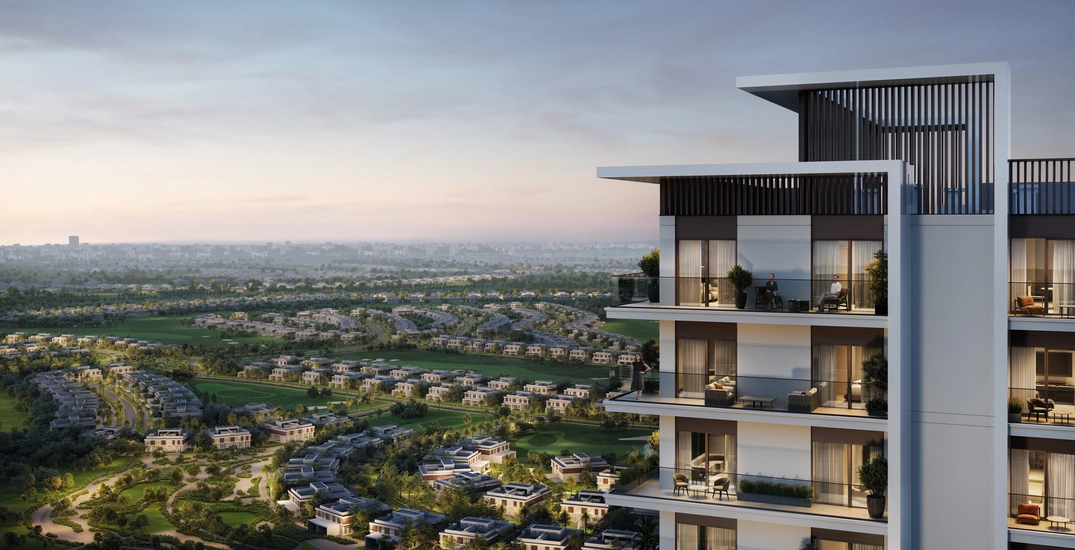
High-end 3D renderings simulate real-world use scenarios, allowing stakeholders to evaluate the relationships between these elements.
3D visualization becomes a shared language between:
•Architects
•Developers
•Urban planners
•Investors
•End-users
4. Emotional Impact & Lifestyle Storytelling
Real estate is not just physical space. It’s a lifestyle.
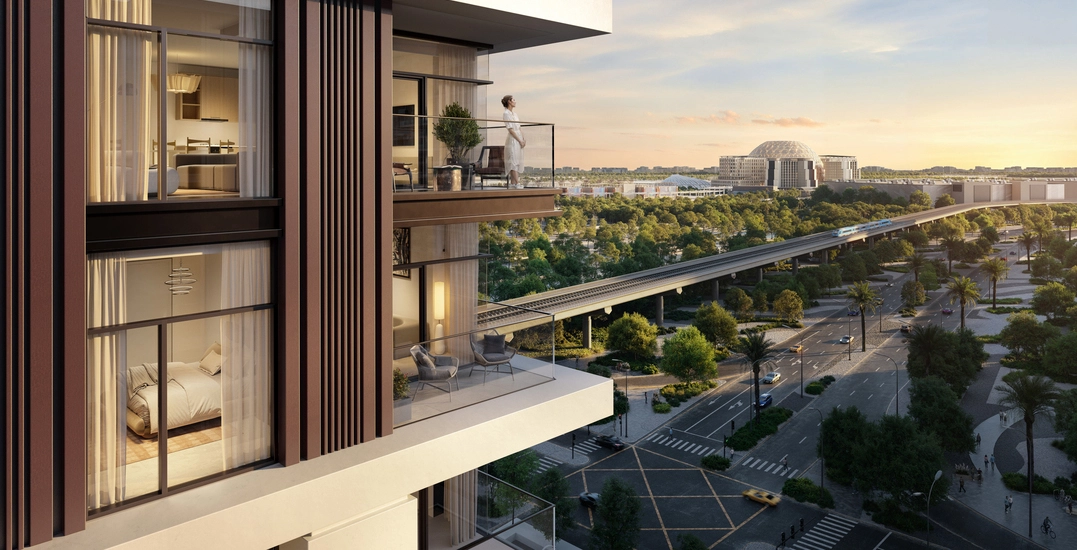
Photorealistic interior renderings allow buyers to inhabit the space emotionally. Industry insights show that buyers focus heavily on areas like kitchens and living rooms — visuals that highlight lighting, materials, and ambiance build emotional resonance.
When stakeholders can “see” the future space, they invest with confidence.A successful rental property portfolio or building an investment property portfolio today requires more than traditional real estate photography. Platforms like interactive 3D tours and virtual real estate solutions allow potential investors to explore virtual properties before construction begins. This not only helps make money faster but also improves wealth management strategies by offering a clearer market analysis and stronger pitch deck presentations supported by compelling property images.
In addition, our virtual staging services allow developers to enhance empty interiors with realistic furnishings, helping potential buyers better visualize the lifestyle potential of each space.
Build a Portfolio That Sells Before It’s Built
8 Steps to Build a Real Estate Portfolio
Building a real estate portfolio enhanced with 3D visuals requires both strategic planning and technical execution.
Step 1: Define Strategy and Target Audience
Before modeling begins, clarify:
•Are you targeting equity investors?
•Pre-construction buyers?
•Institutional partners?
•Municipal stakeholders?
Mixed-use portfolios must align narrative, visuals, and financial positioning with the intended audience. When building a real estate portfolio from scratch, one of the first tips is setting up a clear acquisition strategy. Ask yourself how long it will take to build up a large and extensive rental portfolio, and what the fastest way to grow your income streams might be. Whether you are building a rental property portfolio or constructing a diversified real estate investment portfolio, the best way to ensure success is to align visual presentation with financial projections.
Step 2: Gather Architectural & Contextual Data
Collect:
•CAD/BIM files
•Site data
•Floor plans
•Material specifications
•Surrounding neighborhood information
Accurate source data ensures realism and technical credibility.
Step 3: Plan 3D Deliverables
Determine what types of visuals will strengthen your portfolio:
Exterior Renderings
•Day and dusk lighting
•Aerial perspectives
•Street-level realism
For residential developments, our 3D house rendering services help developers present architectural concepts with photorealistic clarity and strong market appeal.
Interior Renderings
•Model units
•Commercial interiors
•Amenity spaces
High-end interiors are especially critical when targeting buyers and investors, and our 3D interior rendering services ensure that every material, lighting condition, and spatial detail feels authentic and investment-ready.
3D Floor Plans & Site Plans
Clarify layout, circulation, and zoning relationships. Mixed-use and masterplan developments benefit greatly from detailed 3D site plan rendering services that clearly communicate layout, circulation, and urban integration to stakeholders.
Virtual Tours & Walkthroughs
Interactive experiences increase engagement and shorten decision cycles.
Animation
Demonstrate:
•Pedestrian flow
•Traffic integration
•Time-of-day transitions
•Phased construction
When you build a portfolio of real estate properties, your visuals should look like a certified professional has curated every angle. The best real estate portfolio combines architectural precision with storytelling, helping you develop trust among potential investors. In fact, creating a real estate portfolio that includes immersive visuals is often the perfect way to build up credibility while growing a strong property portfolio in a competitive real estate market.
Step 4: Modeling and Realism
High-quality rendering depends on:
•Correct scale
•Physically accurate materials
•Proper lighting simulation
•Environmental integration
Lighting is particularly crucial. Accurate sun positioning and HDR environments dramatically enhance believability.
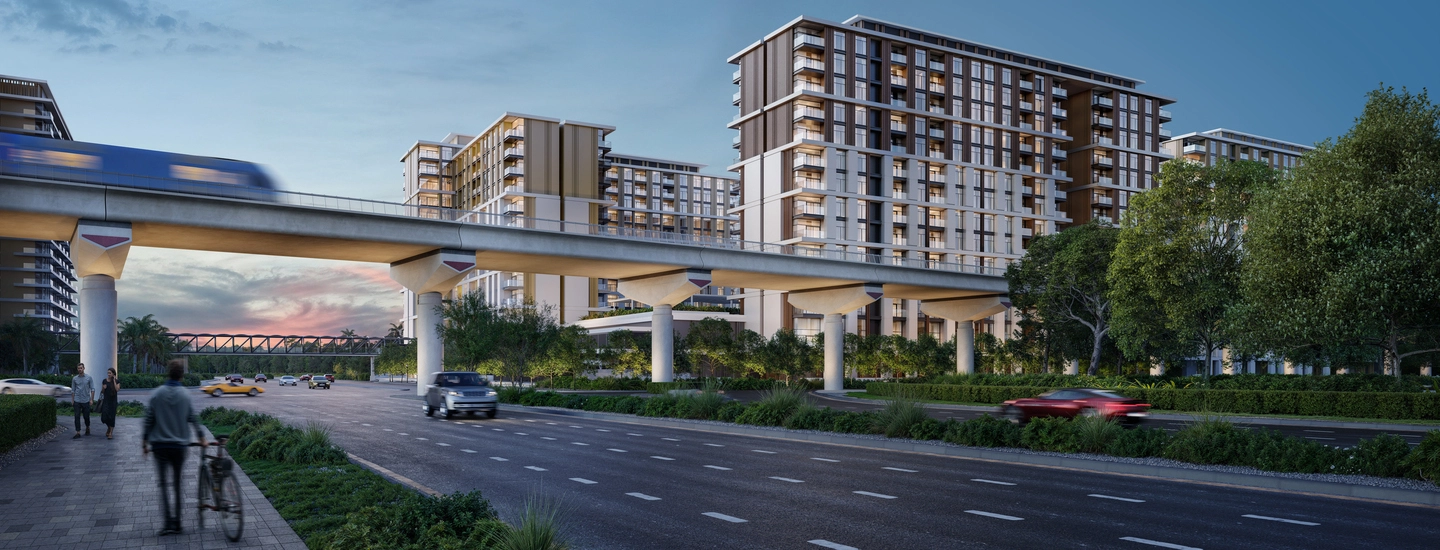
Step 5: Show Context and Scale
Include:
•People
•Vehicles
•Landscaping
•Adjacent buildings
Mixed-use developments thrive on street-level vibrancy. Context reinforces feasibility.
Step 6: Create Interactive Experiences
Advanced portfolios now include:
•360° virtual tours
•Real-time 3D walkthroughs
•VR sales-center experiences
•AR-enabled models
Studies show immersive marketing shortens leasing timelines and accelerates pre-sales.
Interactive experiences are especially powerful for those building a rental portfolio or building an investment property portfolio aimed at remote buyers. Virtual real estate platforms like WebGL tours allow property search experiences to feel dynamic and intuitive. For developers growing a rental property portfolio, this approach significantly enhances engagement while helping make faster, data-backed decisions through visual insights.
For large-scale projects that combine retail, office, and residential spaces, our commercial architectural 3D rendering services help illustrate functional relationships and elevate investor presentations.

Step 7: Build Narrative Flow
Your portfolio should guide the viewer through a story:
1. Masterplan overview
2. Site integration
3. Exterior architecture
4. Interior lifestyle
5. Amenity experience
6. Financial value
In this step structure matters and story drives impact.
Step 8: Iterate and Optimize
3D visualization allows design variations:
•Alternative facade materials
•Different interior finishes
•Layout adjustments
Testing visuals before construction reduces risk and improves decision-making.
Turn Your Vision into a High-Impact Investment Presentation

Why Choose Omegarender for Creating a Spectacular Real Estate Portfolio?
At Omegarender, we understand that a real estate portfolio is not just a presentation — it is a strategic investment tool.
Our approach combines:
1. Narrative-Driven Visualization
We align each rendering with the development’s investment narrative, ensuring every image supports the project’s value proposition.
2. High-End Photorealism
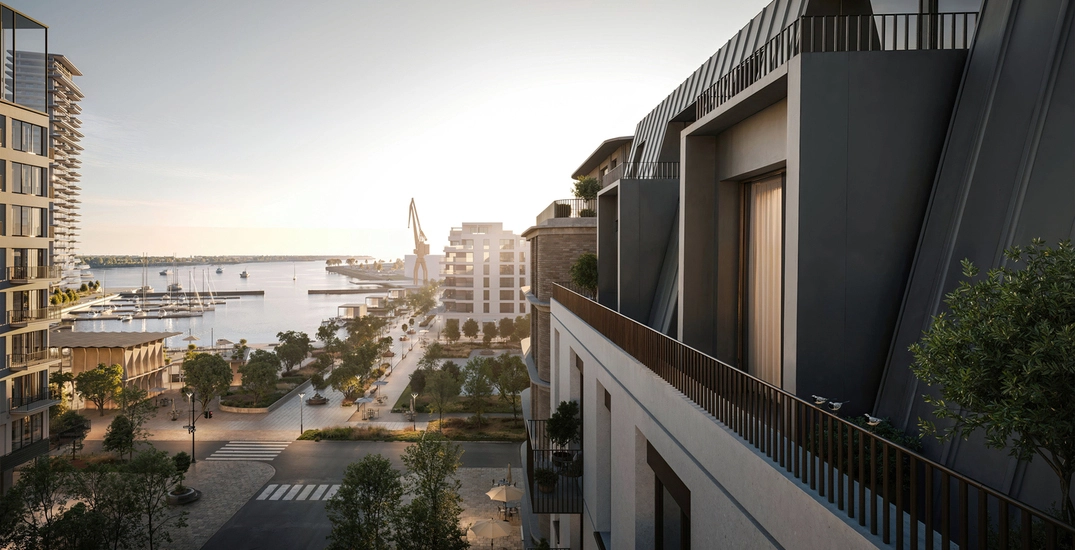
Our visuals simulate real-world lighting, materiality, and atmosphere — allowing stakeholders to emotionally connect with unbuilt environments.
3. Mixed-Use Expertise
Mixed-use developments require more than architectural accuracy. They require storytelling at the urban scale.
We design visuals that demonstrate:
•Functional relationships
•Pedestrian experience
•Retail flow
•Residential comfort
•Urban integration
As research confirms, when investors can clearly see the vision, funding confidence increases.
4. Interactive Digital Sales Environments
From virtual tours to immersive animations, we help developers:
•Accelerate pre-sales
•Improve investor presentations
•Enhance online engagement
•Increase perceived value
Data shows that projects using strong visualization strategies can significantly increase investor interest and engagement.
5. Strategic Marketing Alignment
Beyond visuals, Omegarender understands positioning. We help transform renderings into:
•Portfolio-ready presentations
•Website-ready visual narratives
•Investor decks
•Sales-center assets
We don’t just render buildings. We render opportunities.
At Omegarender, we understand that building a real estate portfolio — whether you’re building a property portfolio from scratch or expanding an existing rental property portfolio — requires more than design excellence. It requires strategic positioning that helps you write and present a compelling pitch deck, conduct strong market analysis, and construct a successful real estate investment portfolio that continues growing over time.
Whether you’re presenting a single-family development or a multi-unit project, combining professional 3D house rendering services with interactive walkthroughs can significantly strengthen your real estate portfolio strategy.

Conclusion
Starting a real estate portfolio today means embracing immersive visualization as a core strategic component.
Flat drawings no longer persuade sophisticated investors or buyers. Immersive 3D content:
•Speeds up sales
•Increases transaction value
•Enhances investor trust
•Clarifies complex developments
•Builds emotional engagement
Industry data consistently shows measurable ROI from visualization investments. The future of real estate portfolios is visual, interactive, and narrative-driven. And those who adopt it early gain a competitive edge.
If you’re exploring how to build a real estate portfolio that attracts potential investors and strengthens your position in the real estate market, visualization should be part of your long-term strategy. Whether you’re building a rental property portfolio, building an investment property portfolio, or creating a real estate portfolio from scratch, the right visual foundation helps you develop and grow with confidence.
Let’s transform your architectural vision into a powerful visual investment asset.
If you’re ready to build a real estate portfolio that does more than inform — one that persuades, inspires, and converts — partner with Omegarender.
FAQ
Why is a real estate portfolio important?
A real estate portfolio demonstrates credibility, showcases project value, and communicates vision to investors, buyers, and stakeholders. When enhanced with 3D visualization, it increases engagement, accelerates decision-making, and improves perceived project value.
Whether you’re building a real estate portfolio from scratch or refining an existing rental portfolio, the key is combining financial intelligence with powerful visualization. The best way to build a rental portfolio or develop a large real estate investment portfolio is to ensure every asset is supported by professional property images and high-quality visual storytelling that supports wealth management goals.
What should be included in a real estate portfolio?
A comprehensive portfolio should include:
•Project overview and strategy
•Architectural documentation
•Financial projections
•Photorealistic exterior and interior renderings
•3D floor plans
•Virtual tours
•Animations
•Contextual site integration visuals
For mixed-use projects, visualizing functional relationships between residential, retail, and public spaces is especially critical.