CGI Studios Are Evolving Beyond Visualization:
The Omegarender Case
For many years, architectural visualization was seen mainly as the final visual layer of a real estate project. A development team would define the concept, prepare the architecture, shape the commercial strategy, and only then commission CGI images intended for buyers, investors, or future tenants.
Today, this role is changing, as archviz studios evolve into full-service marketing partners for development companies.
In a market where the first contact with a real estate project often happens online, strong images are no longer enough on their own. A rendering may appear on a website, in an investor deck, in a sales presentation, in paid ads, on social media, or inside a virtual showroom. But if these materials are not connected by a clear idea, the project can still feel fragmented.
In the wake of the vast proliferation of digital channels, real estate projects now need a more coherent visual and marketing system. The balance of visual communication in architecture has shifted toward real-time, interactive, and strategically connected formats.
This is why CGI studios are increasingly moving beyond image production. Their work is becoming more strategic: helping developers define how a project should look and also mainly how it should be positioned, explained, remembered, and sold.
This expanded offering may include branding, naming, visual identity, marketing materials, market analysis, project concept development, positioning strategy, and target audience definition. In other words, CGI studios are moving toward a broader range of services traditionally provided by marketing agencies specializing in real estate and development projects.
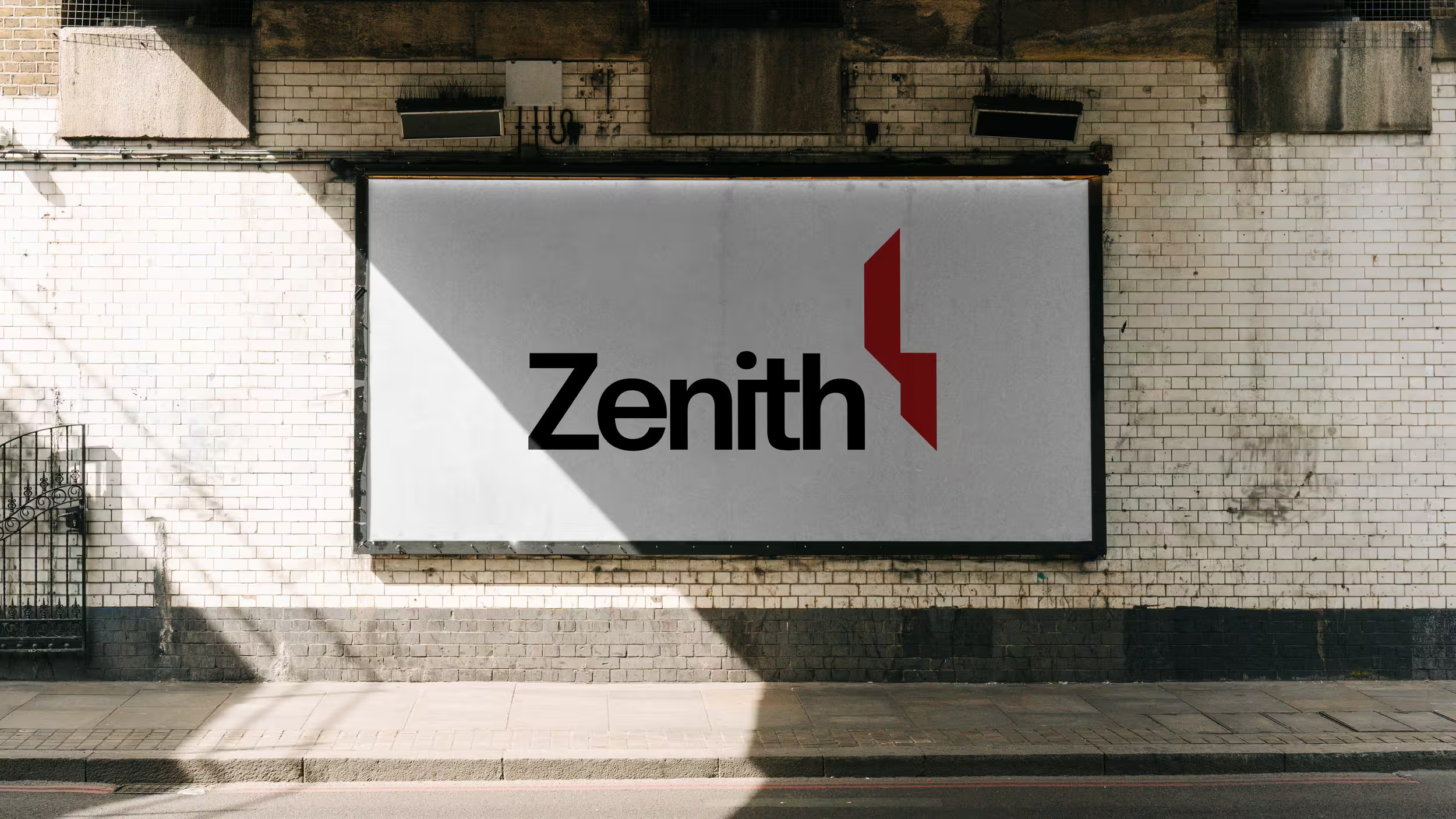
From visualization to project storytelling
The shift reflects a broader change in real estate marketing. As we say below, visual content is no longer just a beautiful representation of architecture, and it has become part of the project’s commercial logic.
Before an image is created, several strategic questions often need to be answered. What should the viewer understand first? Which audience is the project speaking to? What emotion should the space create? What makes this development different from others in the market? How should the sales journey be structured? For developers, these questions are directly connected to marketing and sales performance. For CGI studios, they are increasingly becoming part of the creative process.
“Often, before creating an image, you need to understand why you are creating it,” says the Omegarender CEO Julia Seliverstova. “A visualization does not exist separately from the project. It works for the brand, for the sales strategy, and for the emotional perception of the development.”
Why images alone are no longer enough
Real estate projects are becoming more complex to present. Premium residential, hospitality, mixed-use, and international developments often need to communicate with several audiences at once: buyers, investors, hotel operators, brokers, partners, and local communities. Each of these audiences may need a different argument, but all communication must still feel consistent.
A simple accumulation of disconnected renderings can show the architecture, but it may not explain the full value of the project. Developers often need a broader system around the visuals: positioning, naming, brand story, visual identity, sales materials, digital tools, and content for different marketing channels.
This is where the role of CGI studios is expanding. Many of them already work closely with developers at the stage when the project’s image, atmosphere, and market perception are being shaped. Moreover, many former development company managers have found their place in archviz studios as Business Development Managers, bringing valuable industry expertise and strengthening the connection between developers and visualization teams. As a result, the studio can become not only a production partner but also a strategic partner in how the project is presented to the market.
%20(1).webp)
The new role of CGI studios
The transformation does not mean that CGI studios stop producing architectural visuals. Visualization remains the core expertise. But the context around it is becoming wider.
A more integrated approach may include several layers:
- project intelligence and market analysis;
- positioning and audience definition;
- property naming and branding;
- visual language and creative direction;
- architectural visualization and animation;
- sales decks, investor presentations, and fact sheets;
- property websites, landing pages, and interactive tools;
- social media, advertising, and launch content.
Together, these elements would form the basis of a more complete sales and marketing system for a development project. The goal is not simply to produce more materials, but to make sure that every visual, message, and digital touchpoint supports the same idea.
For developers, this can make the launch process clearer and more consistent. It is especially important when a project is aimed at a sizable audience across different markets, channels, or buyer groups. For CGI studios, it opens a new area of responsibility: connecting visual production with business strategy.
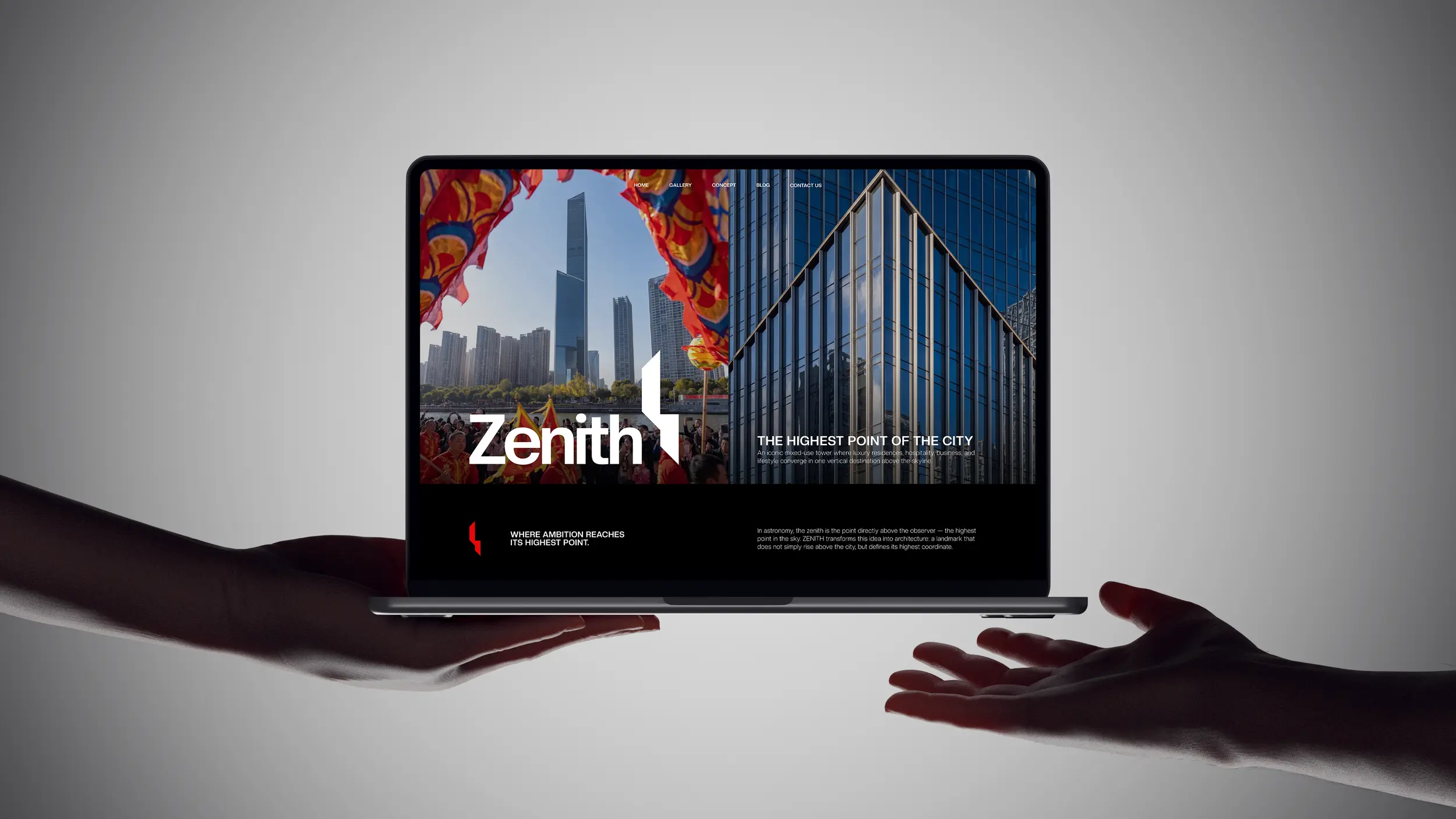
The Omegarender case
One example of this shift is Omegarender, an architectural visualization studio that has expanded its work beyond CGI production.
The studio continues to create high-end architectural imagery, but it is also developing a broader direction focused on real estate marketing strategy, branding, visual language, sales materials, and digital presentation tools.
According to Omegarender, this change grew naturally from its day-to-day work with developers, hotel operators, mixed-use projects, and real estate marketing teams. Clients often came not only with a request for images, but also with unresolved strategic questions: what story the project should tell, which audience it should speak to, how the building should feel, and how the sales materials should be structured.
“Clients come to us for visuals, but behind every visual there is a strategic question,” Julia Seliverstova says. “What should the viewer understand? What should they feel? Why should they remember this project? Our goal is to help answer these questions before the image is even created.”
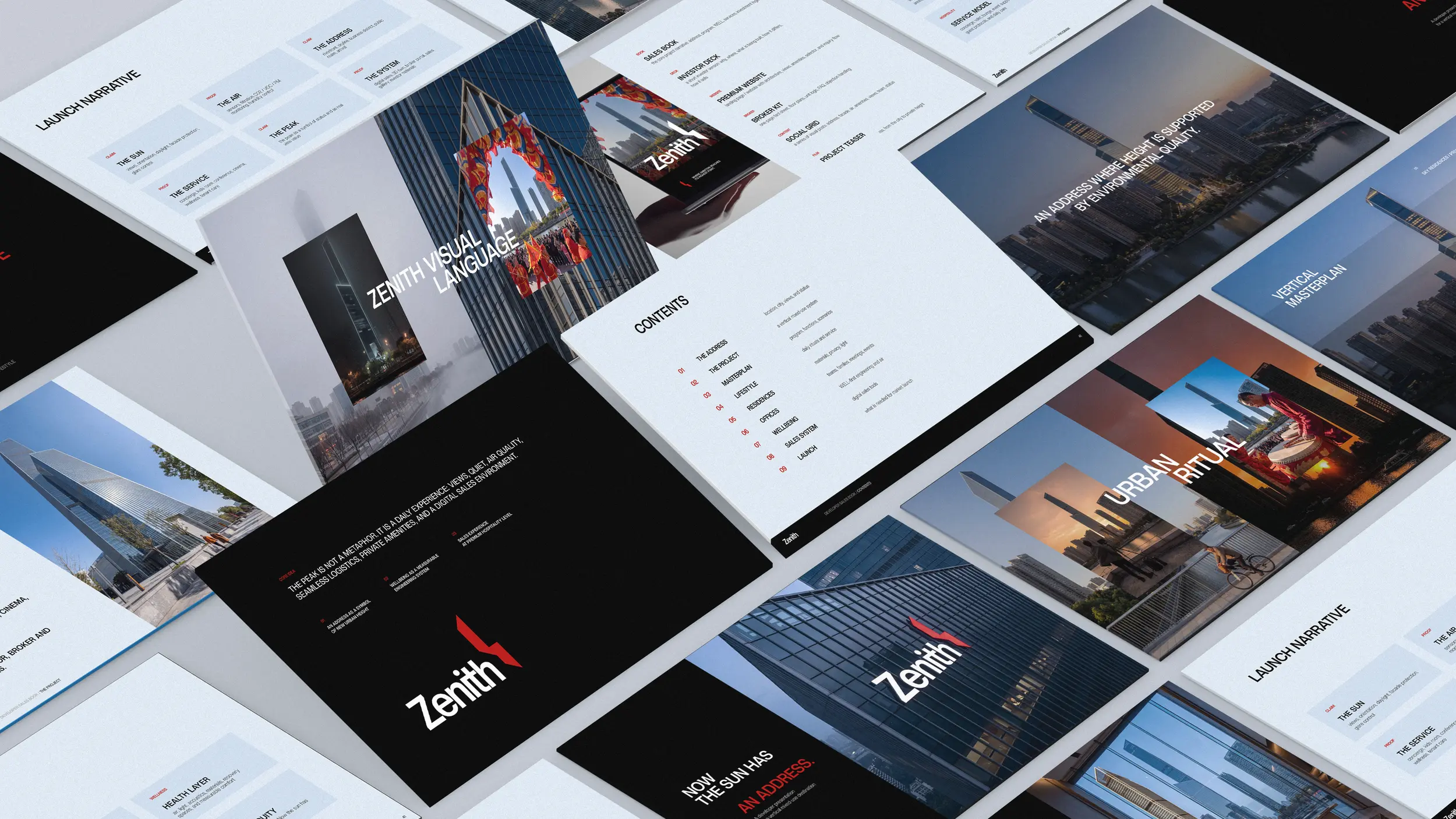
In Omegarender’s case, this thinking has been structured into a modular system of services across strategy, branding, visualization, sales experience, marketing content, and digital infrastructure. The company does not present this model as a fixed package. Instead, each project can receive a different combination of tools depending on its goals, market, audience, and launch stage.
For example, one development may need a brand concept, naming, CGI visuals, a sales deck, and a property website. Another may require market positioning, an investor presentation, short-form video content, and an interactive masterplan.
This modular approach reflects a larger tendency in the market: developers need flexibility, but they also need consistency. A project can involve many different formats and channels, yet all of them have to communicate the same value proposition.
A response to a changing market
The transformation of CGI studios is closely connected to the way real estate projects are now discovered and evaluated.
For many buyers or investors, the first impression happens long before they visit the site. They may encounter the project through a website, a video, a digital presentation, an advertisement, a broker deck, or a virtual showroom. In this environment, CGI becomes more than a visual asset. It becomes part of the project’s communication strategy.
This is especially important for projects that compete internationally or target premium segments. The visual presentation has to build trust, explain value, create emotion, and support the sales process from the first contact.
As a result, the boundary between architectural visualization, branding, marketing, and sales experience is becoming less rigid. CGI studios are not replacing marketing agencies, but some of them are taking on a broader role within the project launch ecosystem.
Their advantage is that they already work with the project’s future image. They understand how architecture, atmosphere, materials, light, scale, and emotion come together in the viewer’s perception. When this visual expertise is connected with strategic thinking, the result can be more coherent and commercially useful.
Beyond beautiful images
CGI Studio still produces photorealistic building designs, but its new frontier is explaining why design should matter.
So, the next stage is about meaning: why the project is significant, who it is for, how it should be experienced, and how every visual touchpoint can support its market positioning.
This is the direction in which many CGI studios are now transforming. They are moving from producing isolated images to helping shape the full visual and marketing logic of real estate projects.
Omegarender’s new direction is one example of this broader shift. It shows how architectural visualization studios can evolve from image makers into strategic partners for developers — not by abandoning CGI, but by placing it inside a larger system of branding, storytelling, sales, and digital experience.
Ready to see what a full visual marketing system could do for your next launch?