Crafting the Architectural Future:
Renderings in Sustainable Building Design
Sustainability is no longer something that's nice to have in architecture. It is something that we must have. As cities get bigger and we put pressure on the environment, architects, developers, and designers are thinking about how we can design and build buildings in a better way. One tool is really important in this change: 3D architectural rendering.
For companies like Omegarender, renderings are tools that help us connect our imagination, engineering, and responsibility to the environment. By combining storytelling, images, and design based on data renderings, the future of sustainable architecture is being shaped.
What Is Sustainable Architecture?
Sustainable architecture is about designing and building buildings that do not hurt the environment and are good for the people who use them. It means thinking about the environment at every stage of a building's life. From the idea to the product.
Some key things to think about include:
- Energy efficiency (solar, passive heating/cooling)
- Resource conservation (water, materials)
- Reduced carbon footprint
- Integration with natural surroundings
- Long-term adaptability
Sustainable architecture is about thinking about the whole system and how buildings can be part of the environment. Sustainable architecture today relies heavily on sustainable design models that evaluate long-term performance across the entire built environment. These models help architects simulate and optimize energy use, ensuring that buildings operate efficiently while reducing environmental impact from the earliest conceptual stages.
The Role of 3D Rendering in Sustainable Architecture
3D rendering is really important in turning ideas into real designs.
At its core, rendering helps us:
- See environmental systems
- Test how lighting, materials, and energy will work
- Communicate clearly with everyone involved
When we tell stories with pictures, it helps people feel more connected and remember things better. This is especially important in environmental architecture design, where we need to understand complex ideas like energy efficiency and saving water. Modern visualization tools allow rendering workflows to rendering contribute far beyond static imagery, enabling architects to explore design ideas dynamically in real time. This accelerates decision-making and allows teams to refine sustainable strategies before they are implemented in construction.
Why Rendering Matters in Sustainability:
- We can test features before we build
- Everyone involved can understand the impact on the environment
- We can reduce risks. Avoid mistakes
- We can show that sustainability is a thing, not just something we have to do
Omegarender uses these abilities to turn sustainability into compelling stories making complex designs easy to understand and convincing.
Benefits of Green Architecture
Sustainable architecture delivers both environmental and economic advantages.
Environmental Benefits
- We put bad stuff into the air
- We use energy
- We preserve natural ecosystems
Economic Benefits
- We save money on energy and water
- Buildings are worth more
- We get a return on our investment over time
Social Benefits
- Improved occupant health and well-being
- Enhanced productivity in workplaces
- Stronger community integration
Brand & Market Positioning
When we build sustainable buildings, it shows that we care about the environment and it helps our brand.
Energy Performance Optimization
One of the most critical advantages of sustainable buildings is their ability to be inherently energy efficient, reducing operational costs while maintaining optimal comfort for occupants.
Visualize your sustainable project
Technologies Used in Sustainable Architecture
Modern sustainable architecture relies on a combination of advanced technologies:
- Solar Panels & Renewable Energy Systems
- Rainwater Harvesting Systems
- Smart Building Automation (IoT)
- Green Roofs & Vertical Gardens
- Sustainable Materials (timber, recycled composites)
- Passive Design Techniques
3D rendering helps us see how these technologies work together and ensure they are used correctly. Advanced visualization enables the creation of eco-conscious architectural depictions that clearly communicate how different design elements—from faсade systems to green roofs—work together to support sustainability goals.
Core Elements of Green Architecture in 3D Renderings
To show that a green building is sustainable architecture renderings need to highlight some things:
Natural Lighting
Simulating sunlight patterns to optimize energy efficiency and occupant comfort.
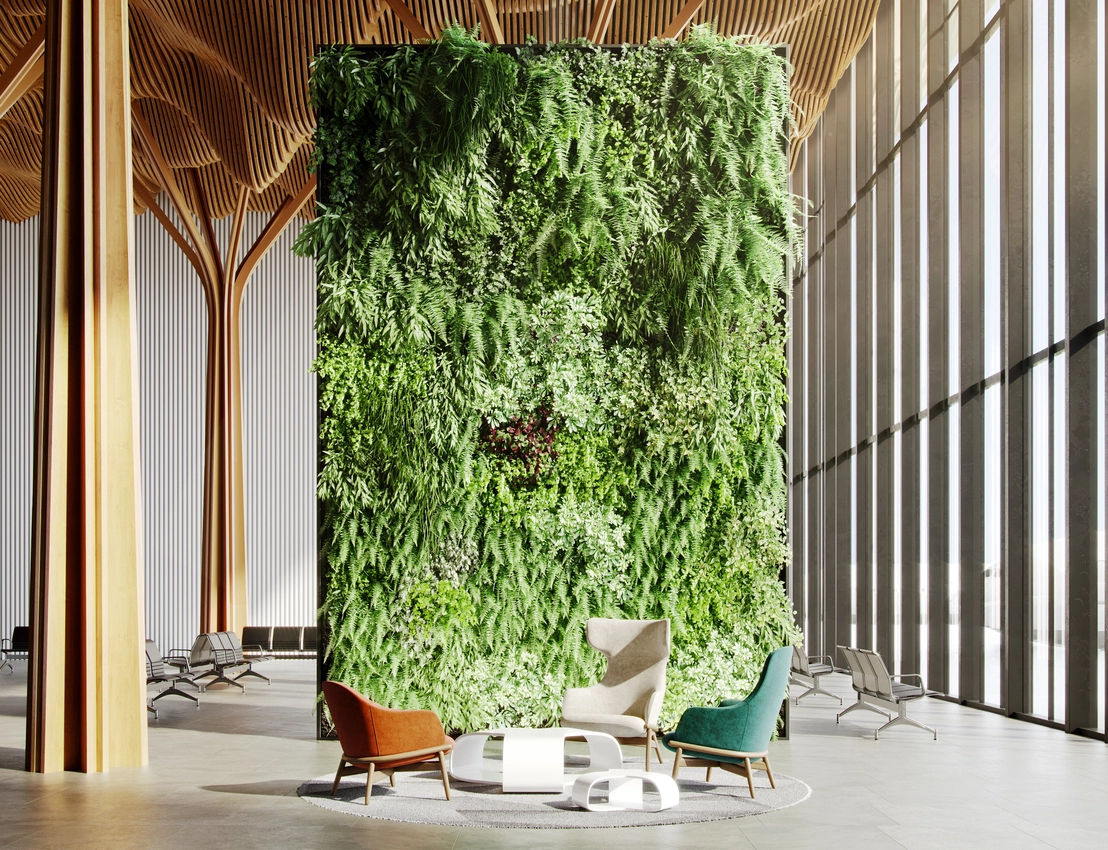
Biophilic Design
Integrating greenery, natural textures, and organic forms to enhance well-being.
Material Representation
Accurate depiction of eco-friendly materials such as timber, recycled steel, and low-impact concrete.
Water Systems
Visualization of water-conservation features such as rainwater collectors and drainage systems.
Sustainable Interior Visualization
Sustainability extends beyond exteriors into interior design, where material selection, lighting strategies, and spatial planning play a crucial role in reducing environmental impact.
Energy Systems
Illustrating solar panels, shading devices, and ventilation systems.Omegarenders' approach is to tell stories that combine pictures, words, and emotions to create a big impact.
Turn green ideas into visuals
Future of Green Architecture
Today, architects sustainability initiatives are becoming a defining factor for every forward-thinking architecture studio, influencing not only how buildings are designed but also how they are presented and evaluated. Innovation, data, and integration drive the future of sustainable architecture.
Emerging trends include:
- AI-driven design optimization
- Net-zero and carbon-negative buildings
- Smart cities and connected infrastructure
- Adaptive reuse of existing structures
- Circular construction methods
As these trends continue to change, rendering will become increasingly important. Not just for showing what things look like, but for testing and predicting how they will work.
Projects Omegarender Has Worked on Sustainable Architecture
Omegarender has worked on a lot of sustainable projects, each one unique and innovative:
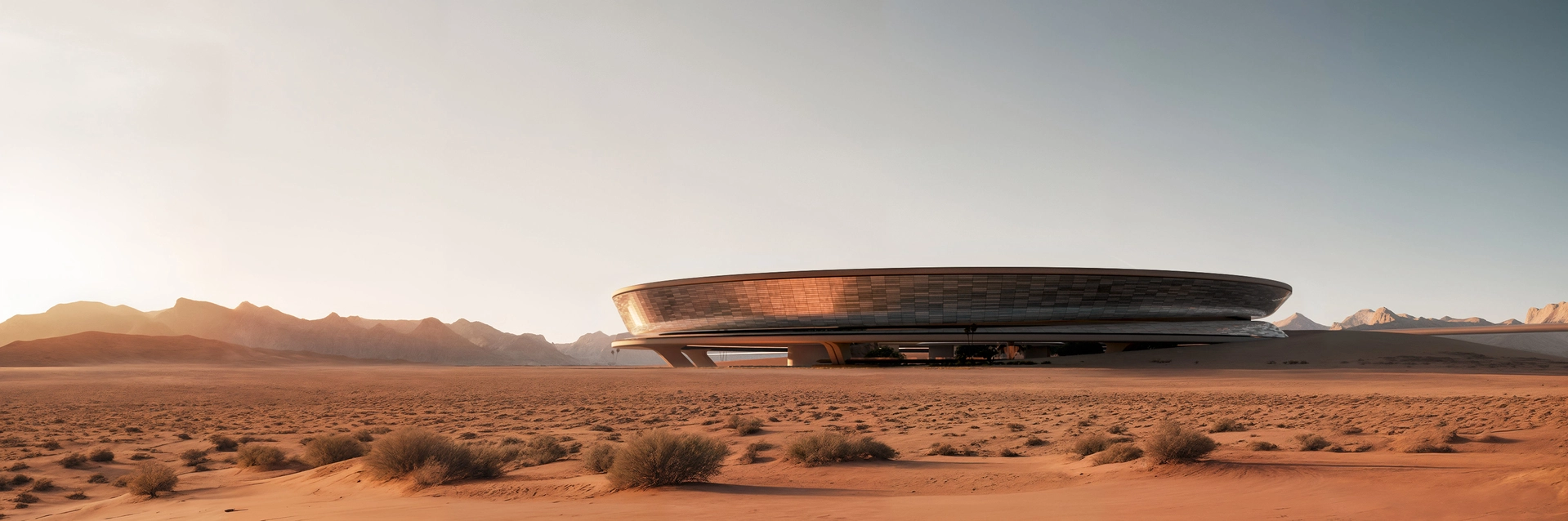
Ethereal Cradle (Nevada, USA)
A visionary research campus blending AI technology with natural ecosystems, featuring solar integration and adaptive design.
Dali Hotel (Concept)
Created in collaboration with The One Atelier, this green design prioritizes a seamless relationship with its surroundings, aiming to lessen its environmental footprint while presenting a sophisticated visual appeal.
Ford Project (Zauben, USA)
This workplace concept is built around biophilic design principles, designed to flood the space with natural light and incorporate greenery, all to boost employee well-being.
Rain Water Catcher (San Jose, USA)
This project is dedicated to water conservation and showcases cutting-edge rainwater-harvesting technologies.
Village Master Plan
A comprehensive visual representation of eco-conscious urban planning, this project illustrates how sustainability can be woven into the fabric of community development.
Gateway Nubian (Boston, USA)
This contemporary development utilizes timber construction, green terraces, and carefully planned daylighting to exemplify the future of sustainable urban living.
Omegarender supports sustainable development through specialized services such as 3D exterior rendering services, 3D house rendering services, and 3D site plan rendering services, enabling clients to visualize projects at every scale with clarity and precision
Start your eco-driven design
Why Choose Omegarender?
Omegarender stands out for combining technical skills, storytelling, and marketing expertise.
Some key advantages include:
- Photorealistic Quality: High-end visuals that accurately represent materials and lighting
- Storytelling Expertise: Emotion-driven narratives that engage stakeholders
- Sustainability Focus: Deep understanding of eco-friendly design principles
- Client-Centric Approach: Collaborative workflows and tailored solutions
- Marketing Integration: Eco-friendly design visualizations made for conversion
By following best practices in content and storytelling, Omegarender makes sure that every project is both visually stunning and effective.
In addition to high-end visualization, the studio offers a full 3D real estate renderings service, complemented by 3D interior rendering services and virtual staging services, helping developers and marketers present sustainable properties in the most compelling way possible.
Conclusion
Sustainable architecture is transforming how we design and approach buildings. But new ideas are not enough. We need to communicate them convincingly.
This is where 3D rendering services become essential.
By turning environmental systems into immersive pictures, Omegarender helps architects, developers, and stakeholders make informed decisions. The result is an environmentally friendly and more sustainable future.
Bring your vision to life sustainably
FAQ
What is sustainable architecture in simple terms?
The design of buildings is aimed at reducing environmental impact while improving efficiency and occupant well-being.
How does 3D rendering support sustainable design?
It helps visualize, test, and communicate eco-friendly features before construction begins.
What are examples of sustainable features in buildings?
Solar panels, natural ventilation, green roofs, and water recycling systems.
Why is biophilic design important?
It connects people with nature, improving mental health and productivity.
How does Omegarender contribute to sustainability?
By creating high-quality green building renderings that help clients understand, refine, and promote sustainable architectural solutions.