3D Rendering Adelaide Guide: Prices, Approvals, ROI
The capital discipline is expected to tighten, and construction costs are rising in Adelaide's development market. Tender price increases are expected to rise by 3-4% annually (RLB 2025). Building costs are expected to increase by a similar percentage (Turner Construction 2025). Meanwhile, capital markets are cautious, and capital underwriting is more conservative (CBRE Pacific Market Outlook 2025).
In this environment, 3D architectural rendering in Adelaide is no longer a marketing afterthought. It is a strategic tool for:
- Accelerating municipal approvals
- Reducing design rework (typically 5–9% of AEC project cost due to miscommunication per Autodesk/FMI research)
- Protecting CAPEX
- Strengthening investor confidence
- Compressing time-to-market
This guide explains how development leaders — particularly CDOs and VPs of Design & Construction — use 3D rendering in Adelaide to improve ROI, reduce risk during approvals, and shorten delivery timelines.
Adelaide’s evolving property market demands greater clarity, faster approvals, and stronger investor confidence. Today, 3D architectural visualisation in Adelaide is a strategic enabler for property developers across SA and South Australia, helping transform architectural 3D concepts into tangible, decision-ready presentations. By turning complex plans into immersive 3D visualisation in Adelaide, development teams can bring ideas to life early — reducing uncertainty while showcasing projects with confidence to councils, consultants, and potential buyers alike.
Omegarender also supports national development pipelines across Australia — read also: 3D visualisation in Sydney, 3D visualisation in Melbourne, 3D rendering service in Brisbane, and 3D rendering in Perth.
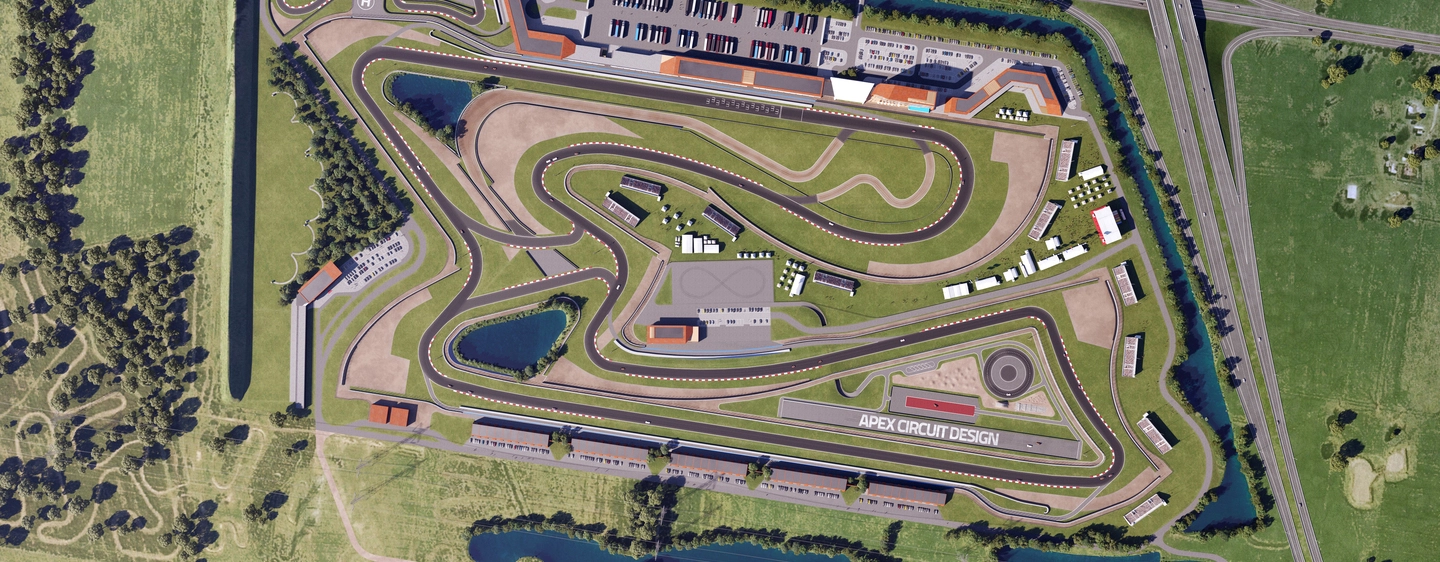
3D Rendering Types In Adelaide That Speed Approvals And Reduce Design Changes
For executive decision-makers, visualisation is about risk control and alignment, not aesthetics. Different types of 3D rendering support entitlement processes, stakeholder communication, investor presentations, and rework reduction.
According to industry research, poor coordination and miscommunication account for approximately 5–9% of total construction cost in rework (Autodesk/FMI 2023–2024). In a high-cost environment like Australia — where escalation continues to pressure margins — preventing design errors is critical.Below are the rendering types that directly support entitlement acceleration and cost containment.
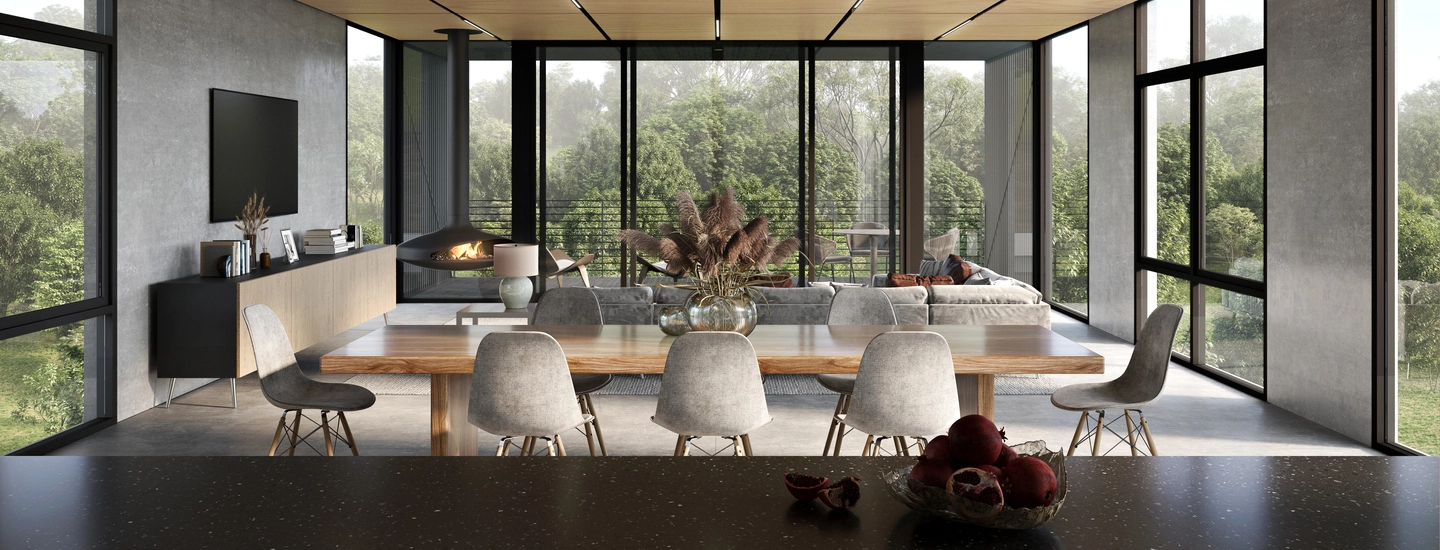
Interior 3D Rendering
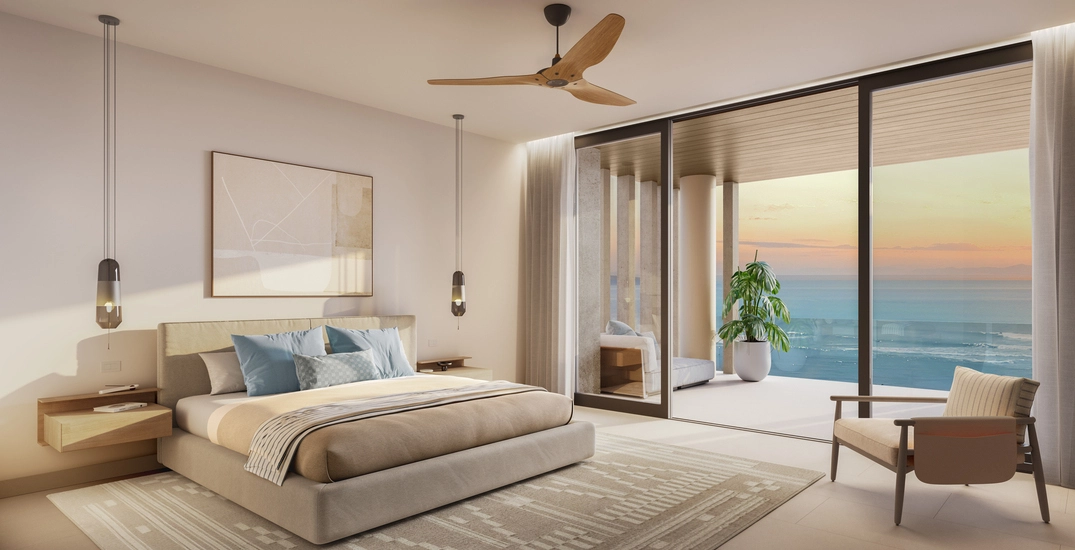
Photorealistic interior renderings allow stakeholders to experience a space before construction begins.
For CDOs and design executives, interior visualisation supports:
- Early alignment between architects, asset managers, and operators
- Faster FF&E sign-offs
- Hospitality and retail concept validation
- Investor presentation decks
- Pre-leasing campaigns
When executives can virtually “walk through” a hotel lobby, retail fit-out, or apartment interior, design intent becomes unambiguous. This reduces downstream design changes that would otherwise trigger variation orders and delay procurement.
Interior 3D rendering is particularly valuable for:
- Hospitality developments in Adelaide CBD
- Multi-residential presales
- Retail precinct repositioning
- Office fit-outs targeting premium tenants
By visualising lighting, materials, furniture placement, and circulation in advance, developers significantly reduce misinterpretation between consultants and contractors.
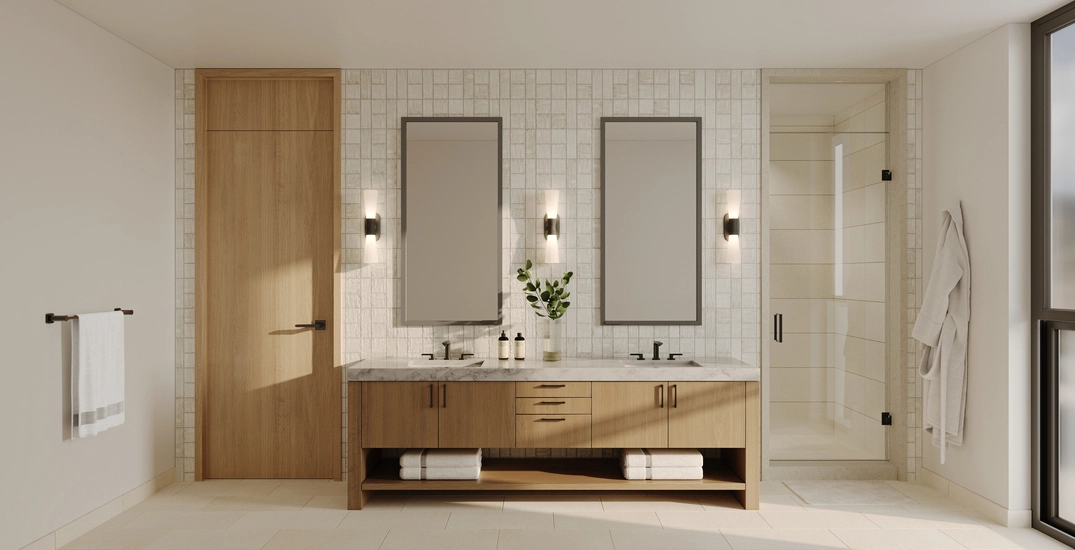
For residential developments, house 3D rendering plays a critical role in aligning interior design intent with market expectations. By showcasing finishes, lighting schemes, and spatial flow through photorealistic 3D renders in Adelaide, developers create emotionally compelling spaces that resonate with potential buyers before construction begins. In competitive South Australia presales environments, this clarity often determines early absorption success.
Exterior 3D Rendering
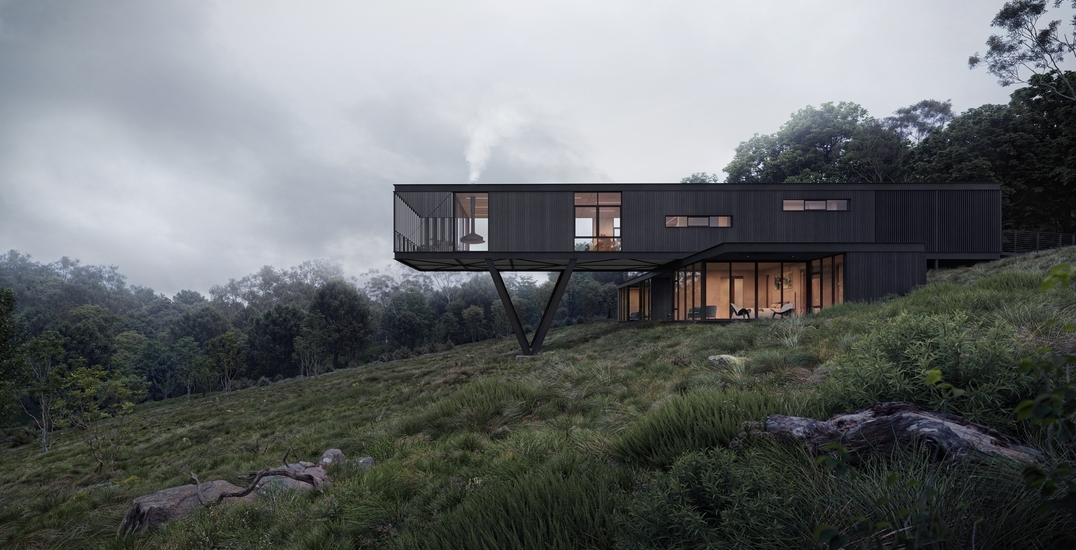
Exterior renderings are critical during Adelaide’s entitlement and planning approval processes.
They clarify:
- Building massing
- Facade materiality
- Contextual fit within streetscape
- Shadow impact
- Height perception
- Public realm interaction
In council submissions, exterior 3D rendering can accelerate approvals by replacing lengthy narrative descriptions with clear visual evidence.
In markets facing cost escalation — such as Adelaide with projected construction increases of ~3.5% (RLB 2025) — preventing post-permit facade revisions is essential. Exterior rendering reduces:
- Redesign cycles
- Community objections due to ambiguity
- Planning clarification requests
- Late-stage aesthetic modifications
For larger hospitality, mixed-use, and retail projects, exterior CGI ensures all stakeholders share a unified vision before tender documentation is locked.
Advanced architectural 3D exterior renders also allow property developers to present panoramic renders that illustrate full streetscape integration. These panoramic renders are particularly effective for master-planned communities and mixed-use projects across SA, where planners and stakeholders need to understand how new spaces interact with surrounding infrastructure. By providing comprehensive 3D visualisation in Adelaide, developers significantly reduce approval friction and community objections.
Commercial 3D Rendering
Commercial developments require alignment across multiple stakeholders: investors, asset managers, planners, and contractors. For large-scale commercial projects, architectural 3D visualisation supports executive-level decision-making by showcasing operational flow, tenant visibility, and public realm engagement. For industrial and logistics developments, 3D industrial rendering can serve the same purpose by clarifying equipment zones, service routes, circulation, and safety-critical areas before approvals or tender documentation. In the current property market, where capital deployment is selective, high-impact 3D renders in Adelaide help development teams demonstrate feasibility and positioning to institutional investors across South Australia.
Commercial architectural 3D rendering services support:
- Mixed-use podium validation
- Parking and circulation studies
- Retail frontage optimisation
- Streetscape integration
- Investor roadshows
Studies show coordination breakdown can consume up to 5–9% of AEC budgets through rework. For large commercial projects, this exposure can translate to millions in avoidable costs.High-fidelity 3D visuals allow all parties to “speak the same design language,” significantly reducing approval friction and decision-making delays.
3D Floor Plan
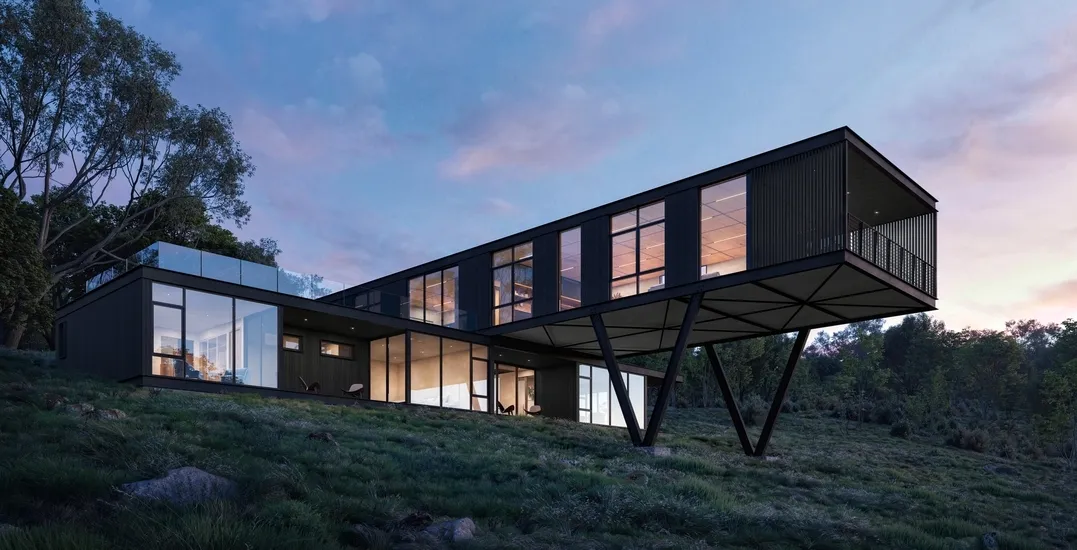
Traditional 2D plans can create misinterpretation. A rendered 3D floor plan bridges technical accuracy with spatial clarity. Benefits include:
- Faster layout approval
- Improved presale understanding
- Early detection of spatial conflicts
- Reduced back-and-forth between consultants
For residential developments in Adelaide’s growing infill markets, 3D floor plans improve buyer confidence and reduce sales friction.
From a development executive perspective, this means:
- Stronger pre-sales velocity
- Lower marketing inefficiency
- Reduced layout-related design revisions
3D Product Rendering
For projects incorporating custom façades, lighting installations, branded retail elements, or signature features, 3D product rendering allows teams to validate individual components before manufacturing.
This mitigates:
- Fabrication errors
- Material mismatches
- Brand misalignment
- Procurement waste
In a capital-constrained market, avoiding one incorrect custom order can offset the cost of rendering multiple times over.
Adelaide 3D Rendering Benefits: Faster Launches, Tighter CAPEX
Adelaide developers face three macro pressures:
1. Rising construction costs (~3–4% annual escalation)
2. Selective capital markets (CBRE 2025 Outlook)
3. Reduced tolerance for budget overruns
3D architectural visualisation directly mitigates these pressures.
Faster Approvals And Smoother Design Review Processes
Municipal authorities respond more efficiently when proposals are visually clear.
Detailed 3D renderings:
- Reduce clarification cycles
- Improve community consultation outcomes
- Accelerate time-to-permit
For developers, reducing entitlement timelines directly improves IRR by bringing revenue milestones forward.
Fewer Costly Revisions And Reduced Rework Risk
The Autodesk/FMI research highlights that outdated communication and coordination issues account for 5–9% of project costs in rework.
By visualising projects early:
- Scope is validated before procurement
- Design errors are caught digitally
- Stakeholder misalignment is reduced
In an environment of rising labour and materials costs, eliminating rework is one of the most powerful CAPEX protection tools available.
Stronger Pre-Leasing, Pre-Sales, And Investor Communication
High-quality 3D rendering enhances:
- Investor decks
- Pre-sales campaigns
- Leasing negotiations
In cautious capital markets, clarity reduces perceived risk.
When investors and tenants can see the final product months before construction completes, underwriting confidence increases.
This often results in:
- Faster capital commitments
- Improved financing terms
- Stronger absorption rates
In addition to static imagery, immersive virtual walkthroughs provide potential buyers and tenants with a realistic preview of future spaces. These walkthroughs allow stakeholders to explore layouts interactively, enhancing emotional connection and accelerating commitment decisions. For property developers operating in South Australia’s competitive environment, this form of 3D visualisation in Adelaide creates a measurable marketing advantage.
Clearer Communication With Contractors And Consultants
3D renderings serve as visual alignment tools for:
- Builders
- Engineers
- Landscape consultants
- Fit-out contractors
Instead of relying solely on technical documentation, teams reference photorealistic imagery that clarifies intent. This reduces:
- RFIs
- Installation misinterpretation
- Material discrepancies
- Fit-out contractors
Better Design Validation Before Groundbreaking
Through walkthroughs and animations, executives can test:
- Sightlines
- Pedestrian flows
- Facade prominence
- Phasing strategy
Validating design decisions digitally reduces risk before major capital is deployed.
Explore Adelaide 3D Rendering Strategies And ROI Insights
Technologies We Use for 3D Rendering in Adelaide
Omegarender integrates seamlessly into development pipelines using advanced, BIM-compatible workflows.
Our services include:
- Exterior 3D Rendering
- Interior 3D Rendering
- 3D Animation
- 3D Virtual Tours
- Architectural Walkthrough Services
- 3D Product Rendering
- 3D Floor Plans
- Aerial View Rendering
- Site Plan Rendering
- 3D Modelling
Our architectural 3D workflow is designed to transform conceptual sketches into highly detailed visual narratives that bring ideas to life. From panoramic renders of large precincts to interior design-focused visualisations and product-level detailing, every 3D render in Adelaide we produce is aligned with compliance standards, branding strategies, and phased development rollouts across SA and South Australia.
BIM-Compatible 3D Modelling
We work from architectural CAD/BIM files, ensuring alignment with design documentation and municipal submission requirements.
Animation & Walkthroughs
Dynamic 3D animation communicates:
- Project scale
- Context integration
- User journey
These are particularly powerful for large hospitality and mixed-use developments. For dynamic project storytelling and investor-ready motion content, discover our expertise among leading 3D animation studios in Australia.
Virtual Tours
Immersive virtual tours enhance:
- Presales campaigns
- Stakeholder engagement
- Investor presentations
They provide experiential clarity that static plans cannot achieve.
Site Plan & Aerial Rendering
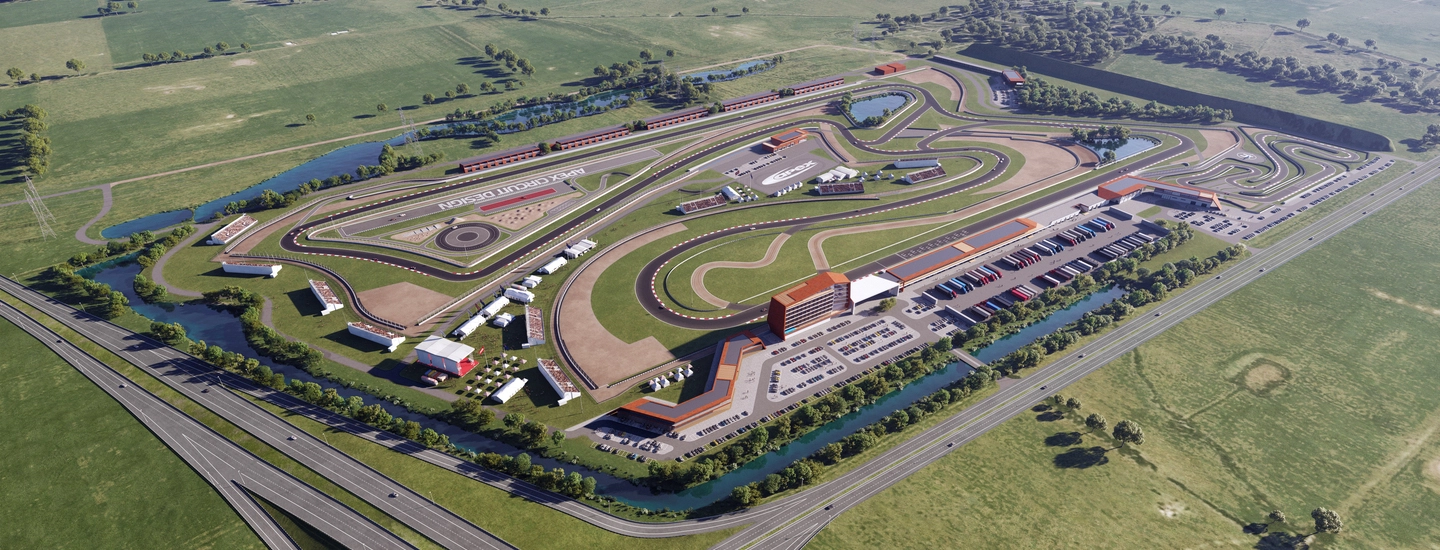
For precinct-scale developments, aerial and site plan renderings communicate urban integration and phasing clearly — critical for masterplanning approvals.
3D Visualization Price In Adelaide: Predictable ROI, Lower Risk
Pricing for 3D rendering in Adelaide varies based on:
- Project complexity
- Level of detail
- Number of views
- Animation or static output
- Revision rounds
However, the more important question for executives is: What is the cost of not visualising early? Potential downstream costs include:
- Design rework (5–9% of total cost per industry research)
- Change orders
- Construction delays
- Marketing inefficiency
- Slower presales velocity
- Increased holding costs
From an IRR perspective, compressing time-to-permit and time-to-sale has measurable financial impact.
3D visualisation should be positioned as:
- A risk mitigation investment
- A schedule acceleration tool
- A CAPEX protection mechanism
When measured against cost-of-delay, rendering often delivers outsized ROI relative to its fee.
When evaluated against the cost of design ambiguity, 3D architectural visualisation in Adelaide becomes a proactive financial control measure rather than a discretionary expense. By clarifying spatial intent, construction sequencing, and marketing positioning early, property developers reduce downstream capital risk while strengthening projected IRR performance in the evolving South Australia property market.

Choosing A 3D Rendering Company In Adelaide For Development And Compliance
Executives selecting a 3D rendering partner should evaluate:
Regulatory Familiarity
Understanding local council submission standards and verified view requirements is critical.
Scalability
Can the firm handle multi-site retail rollouts or large hospitality projects?
SLA Discipline
Are delivery timelines structured and predictable?
Branding Alignment
Can imagery reflect brand standards and positioning?
Large-Scale Commercial Experience
Does the portfolio demonstrate capability with complex commercial environments?
Omegarender delivers enterprise-grade visualisation aligned with CAPEX targets and development timelines.
See How 3D Rendering Speeds Approvals In Adelaide
FAQ
How long does it take to deliver 3D renders for an Adelaide project?
Standard renderings typically take 2–3 weeks, depending on complexity and available documentation. Larger commercial projects or animations may require extended timelines.
How many revision rounds are included in your 3D rendering service for Adelaide clients?
Most projects include 2–3 structured revision rounds to ensure alignment before final delivery.
Do you provide 3D rendering for real estate marketing and presales campaigns in Adelaide?
Yes. We support residential, commercial, hospitality, and mixed-use presales and pre-leasing campaigns with high-impact visuals and immersive tours.
What is 3D rendering, and how is it used for projects in Adelaide?
3D rendering is the creation of photorealistic images or animations from architectural models. In Adelaide, it is used for:
- Council submissions
- Investor presentations
- Presales campaigns
- Contractor coordination
- Design validation
It transforms abstract plans into concrete visual outcomes — reducing risk, improving alignment, and accelerating development timelines.
Whether applied to residential homes, large commercial spaces, or master-planned communities, 3D house visualisation in Adelaide and broader architectural 3D services allow stakeholders to experience developments before they are built. By showcasing realistic environments through still renders, panoramic renders, and virtual walkthroughs, projects across South Australia move from abstract concepts to decision-ready presentations.