Transforming Spaces: Mastering Design in the Hospitality Industry
The hospitality industry is built on experiences. Guests remember how a place made them feel — the warmth of the lighting in the lobby, the comfort of the room layout, the ambiance of the restaurant, and the seamless flow of spaces. Interior design plays a central role in shaping these experiences. A thoughtfully designed hotel or restaurant can elevate brand perception, improve guest satisfaction, and ultimately drive revenue.
Today, hospitality designers are increasingly using advanced tools such as 3D rendering and visualization to bring concepts to life before construction begins. These technologies allow architects, designers, and investors to explore spaces in photorealistic detail, refine design decisions, and communicate ideas clearly.In this article, we’ll explore the fundamentals of hospitality interior design, its key elements, and how modern visualization solutions help create unforgettable guest environments.
What Is Hospitality Interior Design?
Hospitality interior design focuses on creating interior environments for spaces such as:
- Hotels
- Resorts
- Restaurants
- Bars
- Spas
- Event venues
Unlike residential or office interiors, hospitality design must balance aesthetic appeal, functionality, brand identity, and guest comfort.
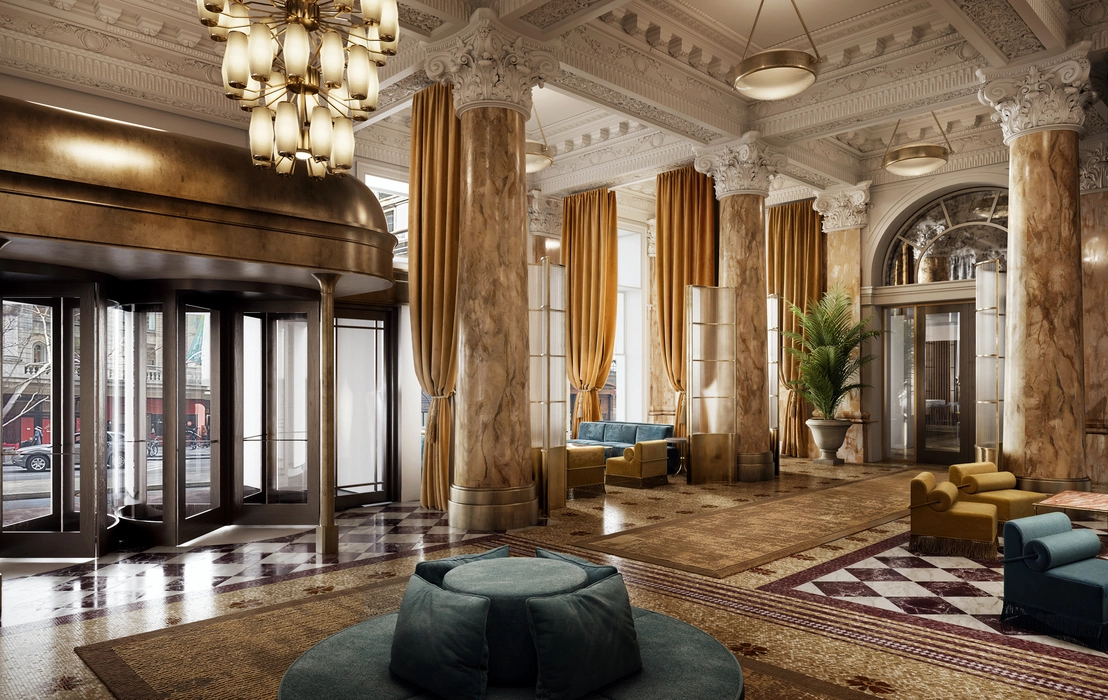
Modern hospitality design also heavily relies on 3D visualization and rendering technologies. These tools create highly realistic digital representations of future spaces, enabling designers to visualize rooms, lighting, materials, and layouts before construction begins.Using software such as 3ds Max, Corona Renderer, and V-Ray, designers can produce photorealistic images showing how hotel rooms, lobbies, or restaurants will appear once completed.
This process allows stakeholders to:
- Validate design decisions early
- Test multiple concepts
- Communicate ideas clearly to investors and developers
Ultimately, hospitality interior design is about transforming architectural spaces into immersive guest experiences.
Why Is Interior Design Important to the Hospitality Industry
Modern hotels increasingly collaborate with a hospitality interior design company that understands how to combine aesthetics, functionality, and brand storytelling. The goal is not only to create beautiful interiors but to design spaces that leave a lasting impression on guests from the moment they enter the lobby.
Hospitality design interior has become one of the most important factors influencing guest satisfaction and brand perception.Hotels and resorts compete not only on service quality but also on atmosphere and visual identity. A well-designed interior can instantly communicate luxury, comfort, or innovation.
Modern hospitality projects rely on visualization to ensure design success. Photorealistic renderings allow interior hospitality design firms to see the final environment long before construction begins, reducing uncertainty and improving decision-making.Interior design impacts hospitality businesses in several ways:
1. Guest Experience
Guests form impressions within seconds of entering a hotel or restaurant. Design elements such as lighting, color palettes, and furniture layout influence emotions and comfort.
2. Brand Identity
A boutique hotel, luxury resort, or eco-friendly lodge must communicate its personality through design. Interior spaces help reinforce the brand story.
3. Operational Efficiency
Well-planned layouts improve staff workflow, guest navigation, and overall functionality.
4. Marketing and Pre-Sales
Well-planned layouts improve staff workflow, guest navigation, and overall functionality.High-quality interior renderings are widely used in marketing campaigns to attract investors and guests even before a hotel opens.In many cases, visualizations generate excitement and bookings long before the physical property is completed.
A professional hospitality interior design firm focuses on creating environments that balance operational efficiency with emotional impact. When carefully planned, interiors become an essential part of the overall customer experience, influencing how guests perceive comfort, quality, and service.
Bring your hospitality vision to life before construction begins.
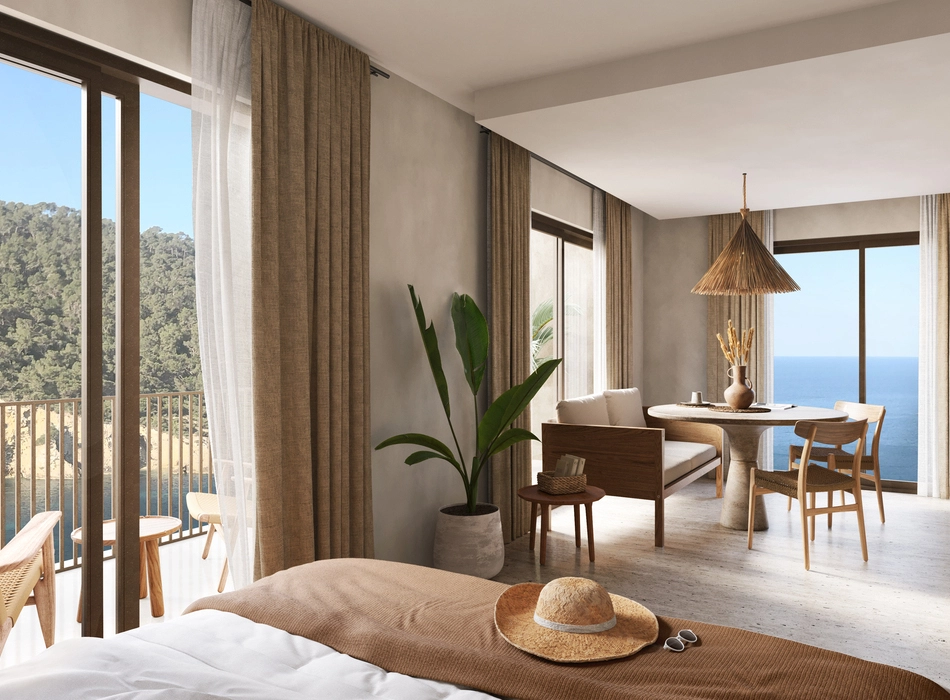
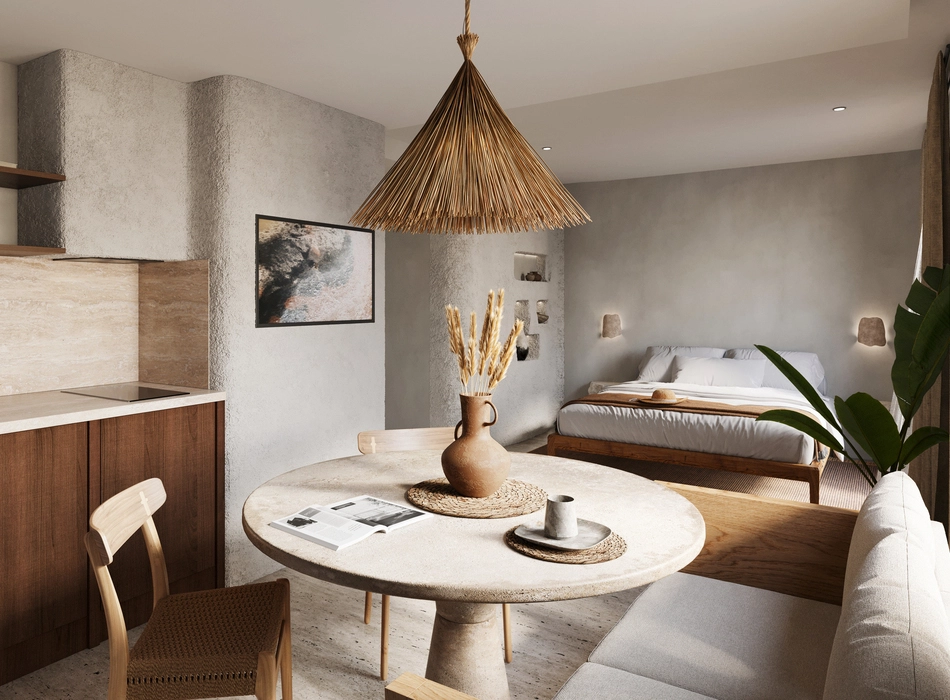
Omegarender’s photorealistic visualization hospitality interior design services allow architects, designers, and developers to explore every detail of a hospitality space — ensuring the final result exceeds expectations.
The Elements of Hospitality Interior Design
Successful hospitality interiors rely on a combination of design principles that ensure both functionality and aesthetic appeal.Four core elements are particularly important.
Ergonomics
Ergonomics focuses on designing spaces that support comfort and usability.In hospitality environments, guests spend significant time interacting with furniture and spaces. Chairs, beds, tables, and walkways must accommodate diverse users comfortably.Key ergonomic considerations include:
- Seating height and posture support
- Furniture proportions
- Walking space and accessibility
- Layouts for staff and guest movement
For example, hotel lobbies may feature soft lounge seating that encourages relaxation, while restaurants might use more structured seating to support dining comfort.
Modern 3D renderings often include scaled human figures to ensure spatial proportions feel natural and comfortable during the design process.
Lighting
Lighting is one of the most powerful tools in hospitality design.It shapes the mood, highlights architectural features, and guides guests through a space.
Successful hospitality interiors combine several layers of lighting:
- Ambient lighting for overall brightness
- Task lighting for functional areas
- Accent lighting for visual emphasis
- Natural daylight for energy and openness
In digital renderings, designers simulate lighting scenarios to replicate how spaces will look throughout the day.
Warm evening lighting might create an intimate restaurant atmosphere, while daylight streaming through windows can showcase the openness of a hotel lobby.
Lighting decisions dramatically influence how guests emotionally perceive a space.In modern interior design hospitality projects, designers must balance visual appeal with practicality. Spaces should remain aesthetically pleasing while also supporting daily operations, guest movement, and staff workflow.
Sustainable Design
Sustainability has become a defining trend in hospitality design.
Hotels and resorts increasingly integrate environmentally responsible materials and systems, such as:
- Energy-efficient lighting
- Natural ventilation strategies
- Recycled materials
- Water-saving fixtures
- Large windows for daylight optimization
Visualization technologies help designers experiment with these solutions and assess their impact before construction.
Additionally, 3D renderings help reduce material waste by enabling precise planning and eliminating unnecessary revisions during building phases.
Sustainable design not only protects the environment but also resonates strongly with modern travelers.
Space and Aesthetics
Space planning and visual aesthetics must work together to create a harmonious environment.
Hospitality spaces typically include multiple zones:
- Reception areas
- Lounge seating
- Restaurants or bars
- Circulation paths
- Guest rooms
Hospitality interior designers must ensure that movement flows naturally while maintaining visual coherence.
A successful hospitality interior balances:
- Functionality
- Beauty
- Brand expression
Furniture, colors, materials, and textures all contribute to a unified design concept.
Thoughtfully planned interiors combine comfortable furnishings, intuitive layouts, and distinctive visual themes to create memorable environments that guests want to return to.Today’s interior architecture hospitality projects integrate architecture, spatial planning, and visual storytelling into a cohesive environment. By carefully shaping circulation paths, materials, and lighting, designers ensure that every area contributes to a seamless and memorable guest journey.
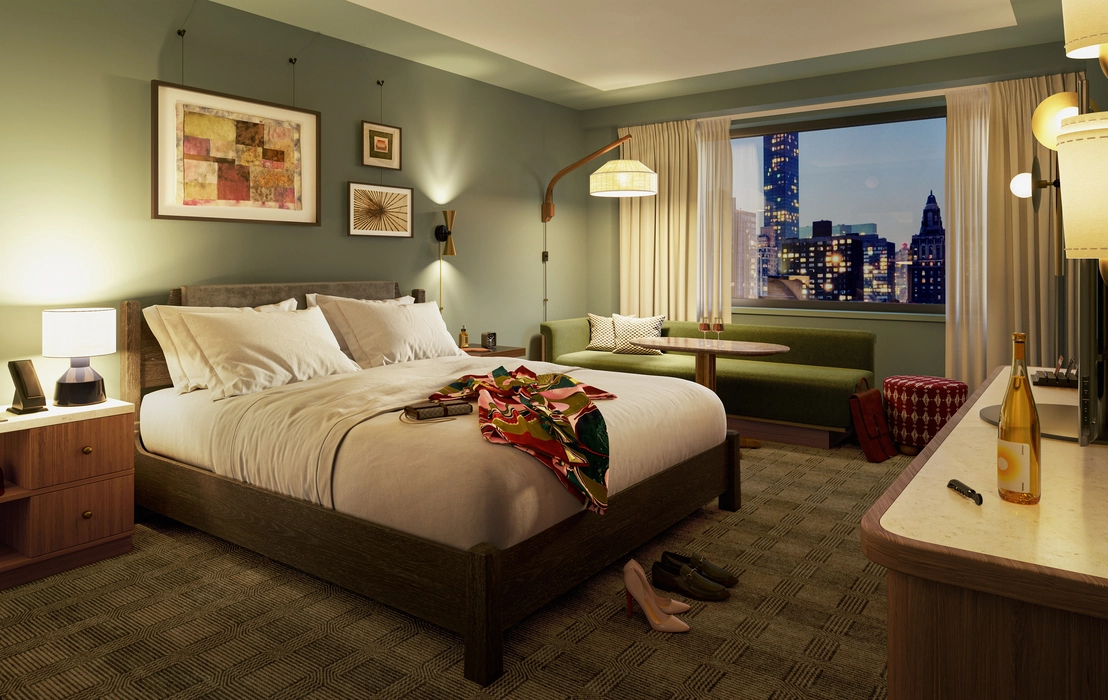
Benefits of Interior Design in the Hospitality Industry
High-quality interior design delivers significant benefits to hospitality businesses.
Enhanced Guest Experience
Comfortable, visually appealing environments make guests feel welcome and relaxed, encouraging longer stays and repeat visits.
Stronger Brand Identity
Unique interiors help differentiate hotels and resorts in a highly competitive market.
Efficient Design Process
Photorealistic renderings allow teams to detect potential issues early and avoid costly design mistakes.
Faster Approvals
Clear visualizations help stakeholders understand design concepts quickly, speeding up approvals and decision-making.
Powerful Marketing Assets
Renderings can be used for:
- Promotional materials
- Websites
- Investor presentations
- Booking platforms
These visuals help communicate the value of the project before construction begins.
Hospitality spaces must be designed with the long term in mind. Materials, layouts, and furniture should remain durable and adaptable as guest expectations evolve and new design trends emerge.
Explore how visualization can elevate your hospitality design and help bring your project to life with clarity and confidence.
Partner with Omegarender to create stunning photorealistic renderings that transform ideas into immersive guest experiences.
Hotel Interior Designing Tips
Designing successful hotel interiors requires strategic planning and attention to detail.
Here are some essential tips.
Define the Brand Identity
Every hospitality space should reflect a clear brand personality.Before beginning design work, establish:
- Target audience
- Style direction
- Atmosphere
- Core brand values
A luxury resort will require different design choices than a modern business hotel.
Focus on Guest Comfort
Comfort should always come first.Invest in:
- quality mattresses
- ergonomic furniture
- effective lighting
- acoustic comfort
Guests remember how comfortable they felt during their stay.
Use Lighting Strategically
Lighting defines atmosphere.
Combine natural light with layered artificial lighting to create flexible moods throughout the day.
Create Functional Layouts
Efficient layouts improve both guest and staff experience.
Clear circulation paths and intuitive navigation help guests feel comfortable moving through the space.
Choose Durable Materials
Hospitality environments experience heavy usage.
Select materials that are both visually appealing and durable enough to withstand daily wear.
Use Visualization During Design
3D rendering technology allows designers to test multiple concepts before construction.
Visualization helps evaluate:
- color schemes
- furniture placement
- lighting design
- spatial flow
This approach significantly reduces design risks.

Why Choose Omegarender for Your Hospitality Interior Design?
Omegarender is a leading provider of architectural visualization and 3D rendering services for hospitality projects worldwide.
The company collaborates with:
- architects
- developers
- interior designers
- real estate investors
to transform design concepts into highly realistic visual experiences.
Photorealistic Quality
Omegarender produces detailed visualizations that accurately capture materials, lighting, and spatial composition.
Expertise in Hospitality Projects
The studio has extensive experience visualizing hotels, resorts, restaurants, and leisure environments.
Improved Decision-Making
High-quality renders allow stakeholders to review and refine commercial and hospitality interior design decisions before construction begins.
Marketing-Ready Visuals
The company’s renderings can be used in:
- promotional campaigns
- investment presentations
- pre-opening marketing strategies
Efficient Collaboration
Visualization helps align architects, designers, and investors around a shared vision of the project.
With Omegarender, hospitality developers gain the clarity and confidence needed to bring ambitious design ideas to life. Reas also advantages of 3D visualization.
Conclusion
Hospitality interior design is about far more than decoration. It shapes how guests feel, how spaces function, and how brands communicate their identity.
Successful hospitality environments combine:
- Ergonomic comfort
- Strategic lighting
- Sustainable solutions
- Thoughtful space planning
Modern visualization tools have transformed how these environments are designed. Through photorealistic 3D rendering, designers and developers can explore ideas, refine concepts, and communicate visions long before construction begins.
As competition in the hospitality industry grows, investing in high-quality hospitality industry design and visualization is becoming essential for creating memorable guest experiences.
Ready to visualize your next hospitality project?
FAQ
How much does hotel interior design cost?
Hotel interior design costs vary depending on the project scale, location, and design complexity. Smaller boutique projects may require moderate budgets, while luxury resorts often involve extensive design planning, premium materials, and custom furnishings.
Visualization services, such as 3D rendering, also contribute to project costs but help reduce overall expenses by preventing costly design revisions. Read also the 3D rendering cost.
What are the main elements of interior design?
The main elements of interior design include:
- Space planning
- Lighting
- Materials and textures
- Color schemes
- Furniture selection
- Ergonomics
- Sustainability
Together, these elements create functional and visually appealing environments. Read also 3D interior rendering services and 3D furniture rendering services.
How can hotel room interior designers make guests feel more comfortable?
Hospitality interior designer improves guest comfort by focusing on:
- ergonomic furniture
- high-quality bedding
- soft lighting
- intuitive layouts
- sound insulation
- temperature control
Thoughtful details such as accessible storage, comfortable seating, and calming color palettes also contribute to a relaxing guest experience.
What are the advantages for hotel owners of using interior designers?
Professional interior designers help hotel owners:
- create unique brand experiences
- optimize space functionality
- improve guest satisfaction
- increase property value
- avoid costly design mistakes
Designers also collaborate with visualization studios to produce renderings that support marketing and investment efforts. Read also the 3D modeling advantages and virtual tour for commercial real estate.